For any inquiries
- +256 701 655 500
- +256 785 500 655
- Plot 3 Bata close 5th street, Industrial Area, Kampala
- be.admprograms@gmail.com

The Batalo East Dance Festival 2025 marked the 11th Edition of one of Uganda’s most enduring and impactful cultural platforms. Since its inception in 2013 at the National Theatre, the festival has steadily evolved into a dynamic intergenerational space that bridges traditional heritage and contemporary expression, engaging over 1,000 young performers, cultural practitioners, educators, and international collaborators over the years.
The 2025 edition reaffirmed Batalo East’s mission to preserve indigenous knowledge while nurturing innovation among young artists. Through dance training, theatre productions, documentation and archiving, and deep community collaboration, the festival continues to strengthen cultural identity, creativity, and social cohesion particularly within rural and underrepresented communities.
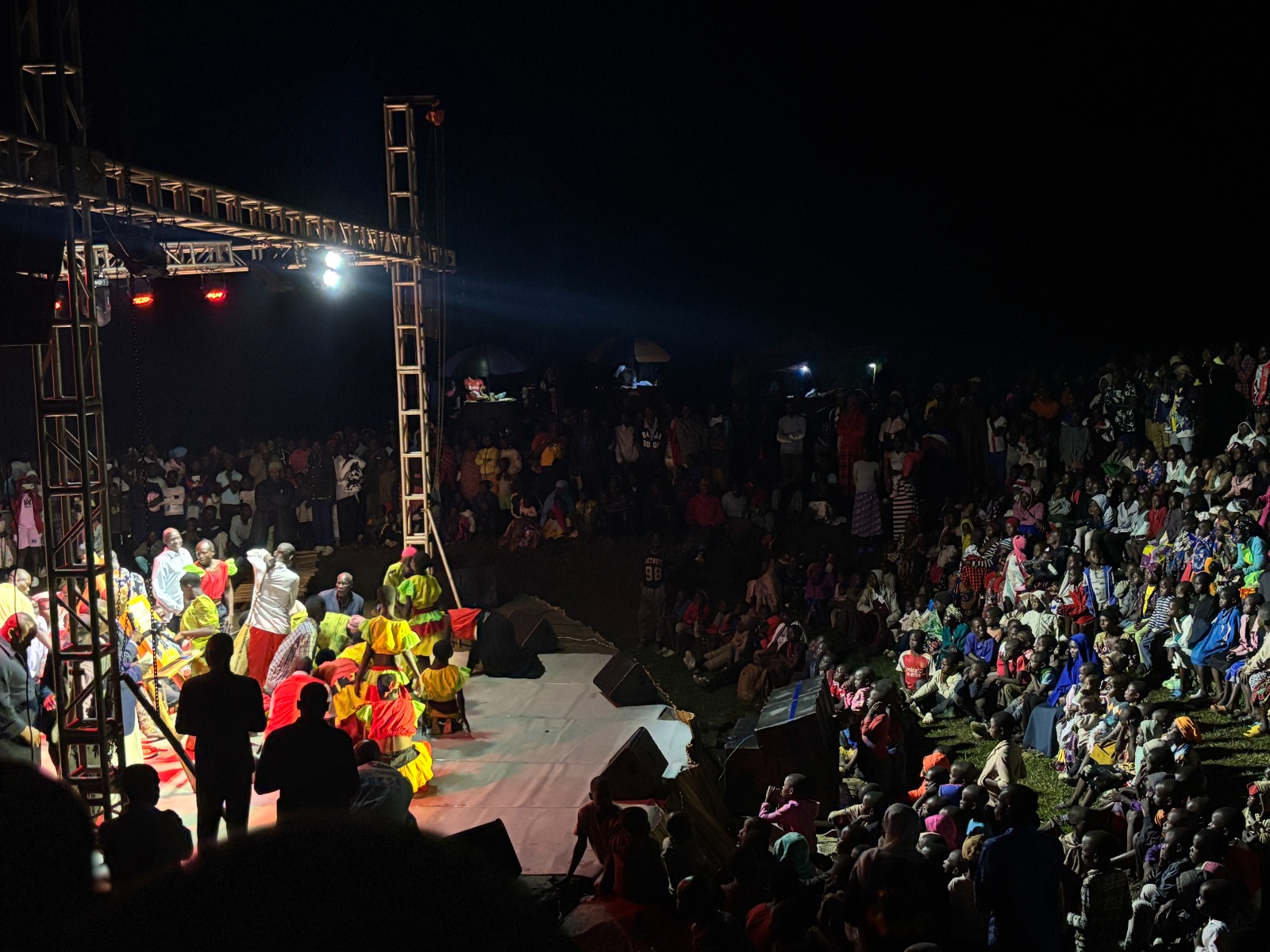
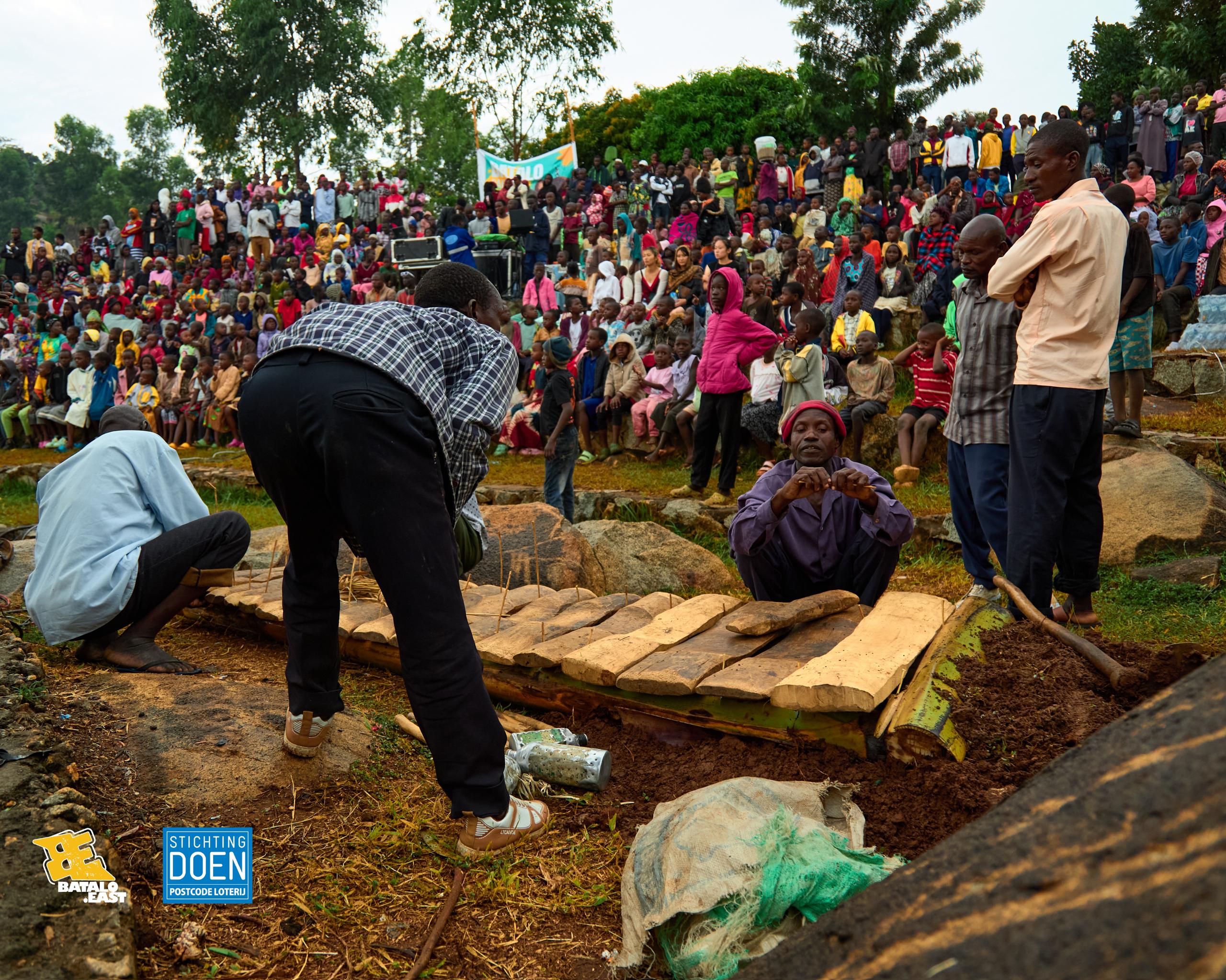
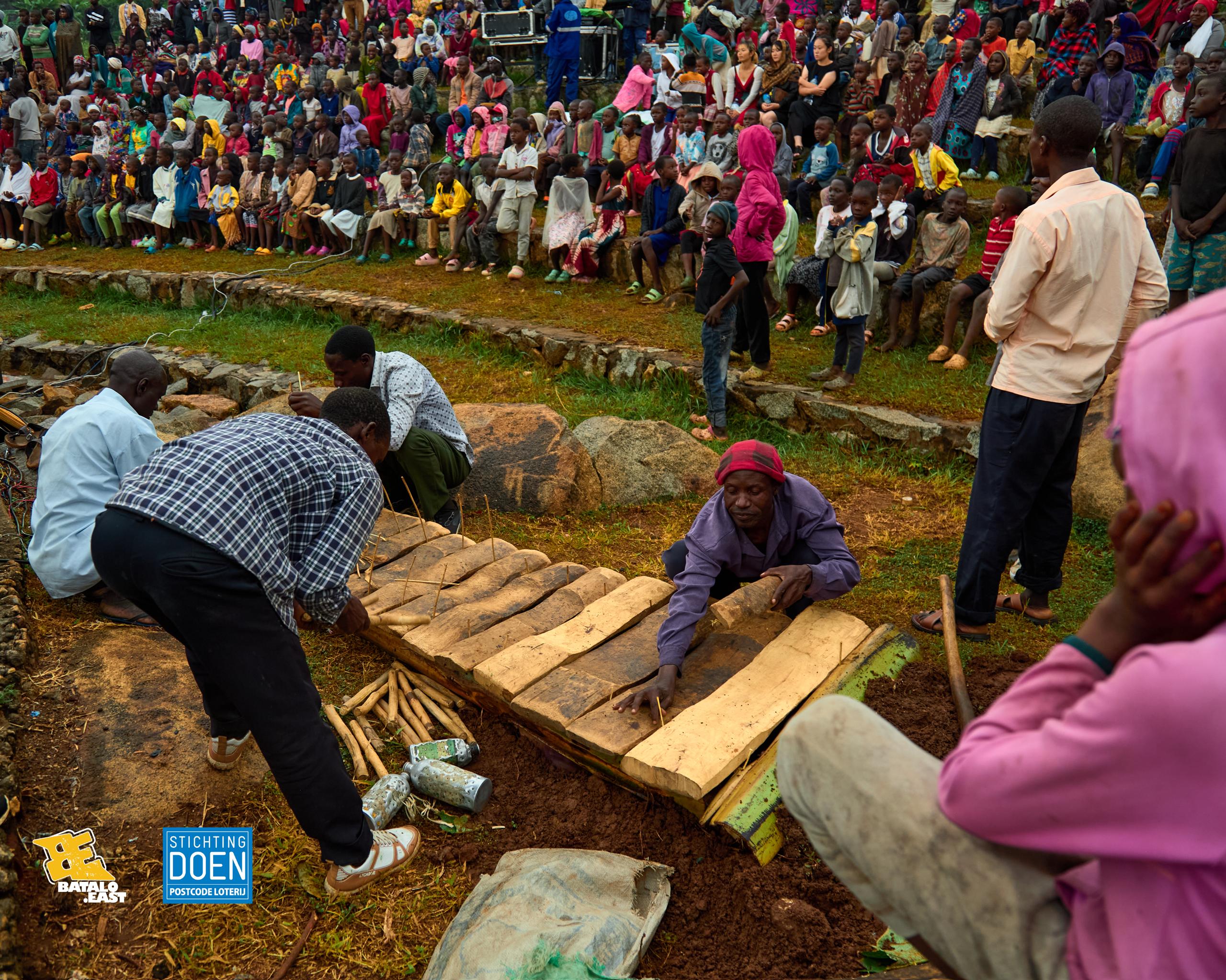
Building on the strong foundations laid in 2023 and 2024, the 2025 festival demonstrated increased community participation, cross-regional exchange, and international collaboration. More than 100 performers from Butaleja District, Kampala, Jinja, and guest artists from Switzerland and Congo came together to present a rich program of traditional dances, contemporary works, urban expressions, and live cultural music, reflecting Bunyole’s diverse clans and evolving artistic landscapes.
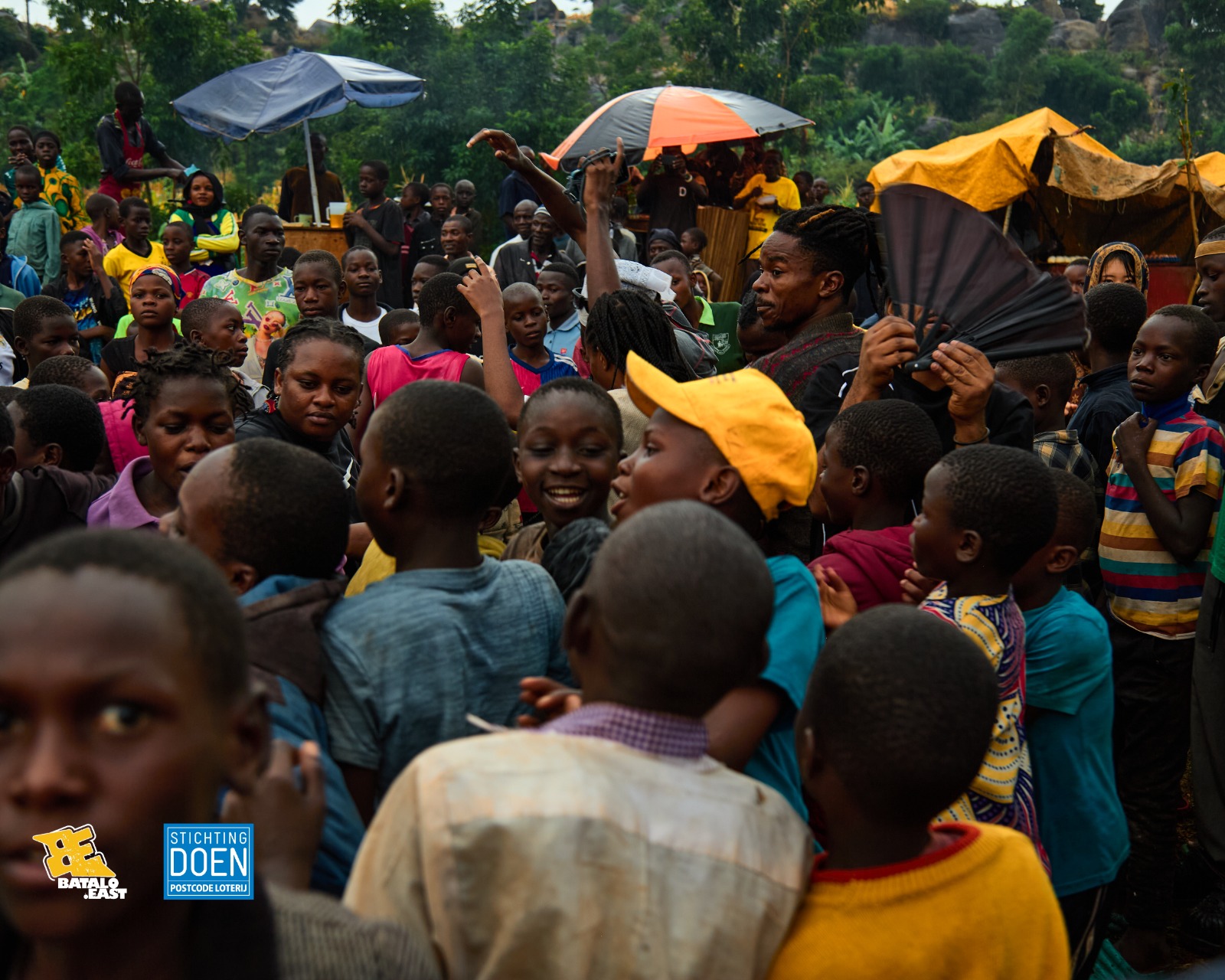
The festival took place on 13th December 2025 at the Batalo East Creative Center in Kachonga, Butaleja District, running from 3:00 PM to 9:00 PM. The event was free and open to all ages, ensuring accessibility and broad community participation.
The 2025 edition was proudly supported by Stichting DOEN, whose contribution enabled artistic exchange, community inclusion, and cultural preservation efforts.
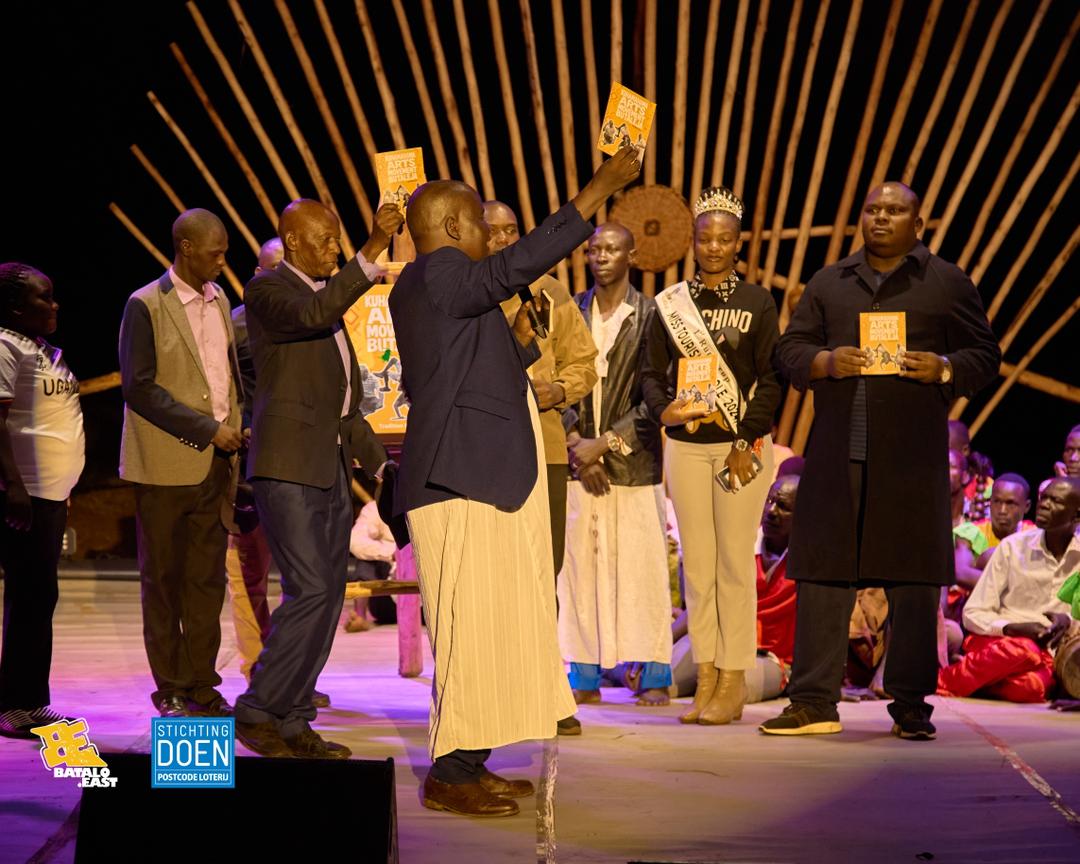
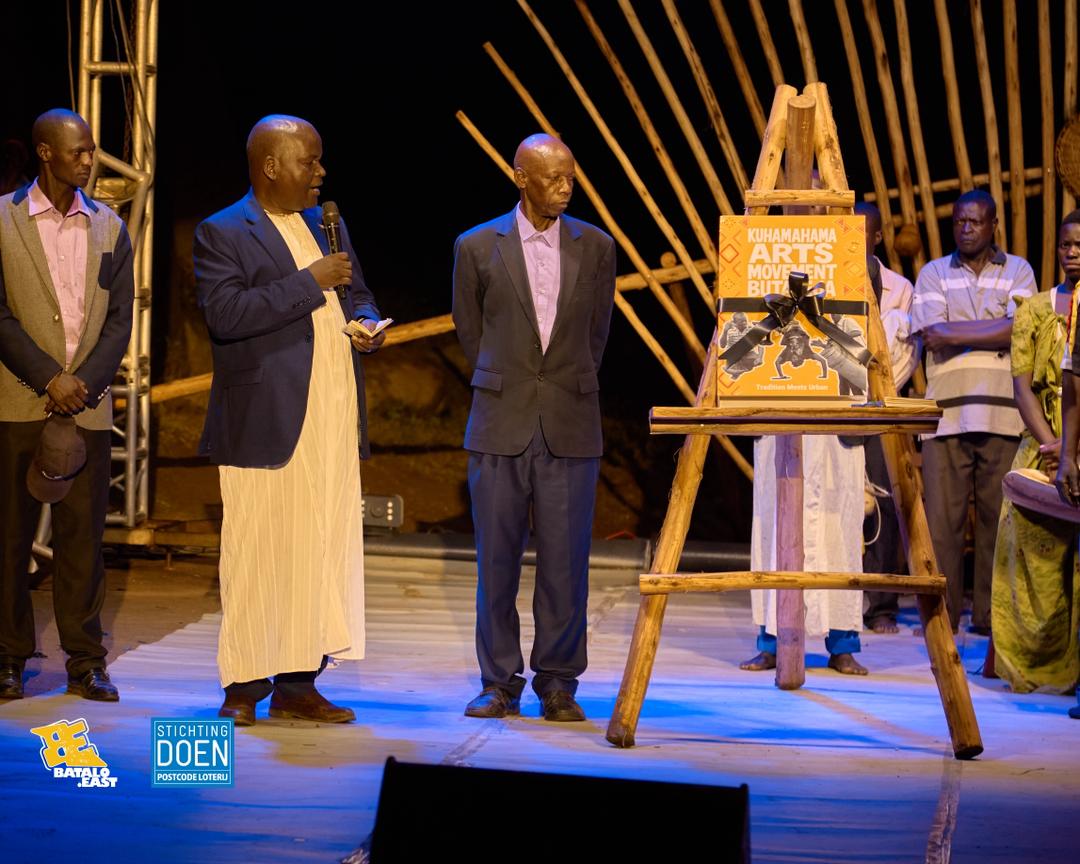
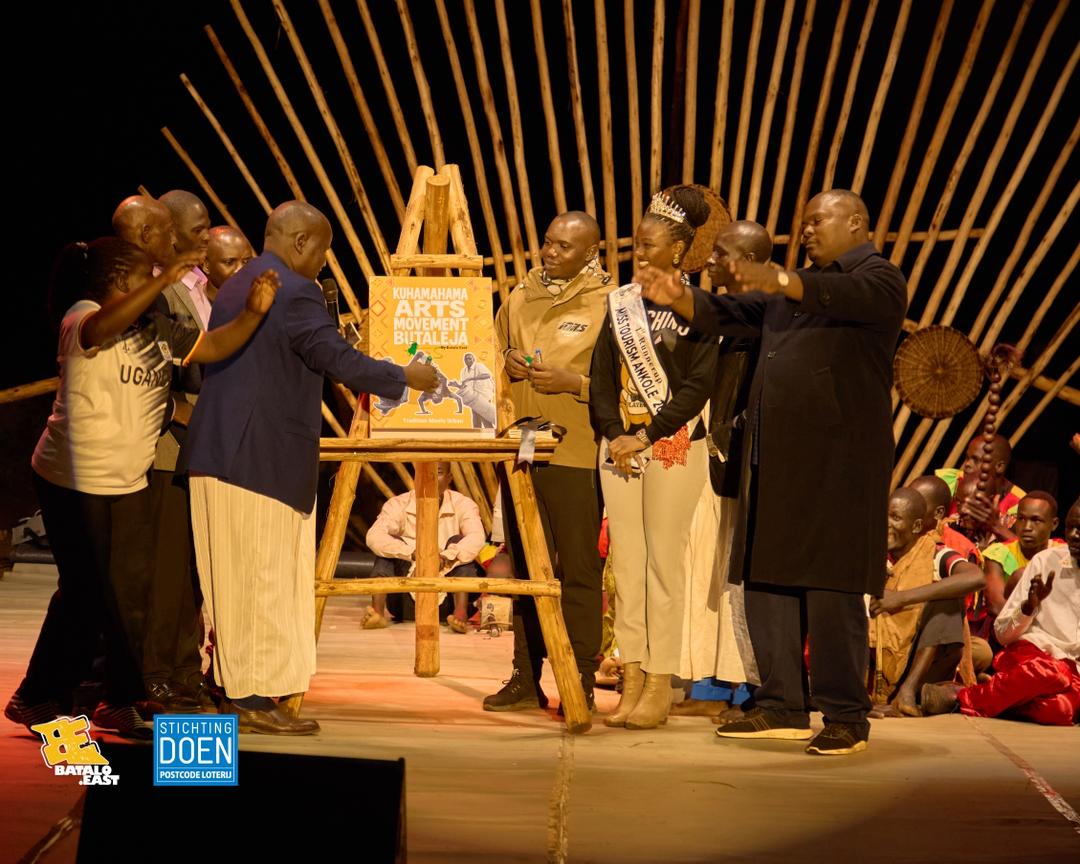
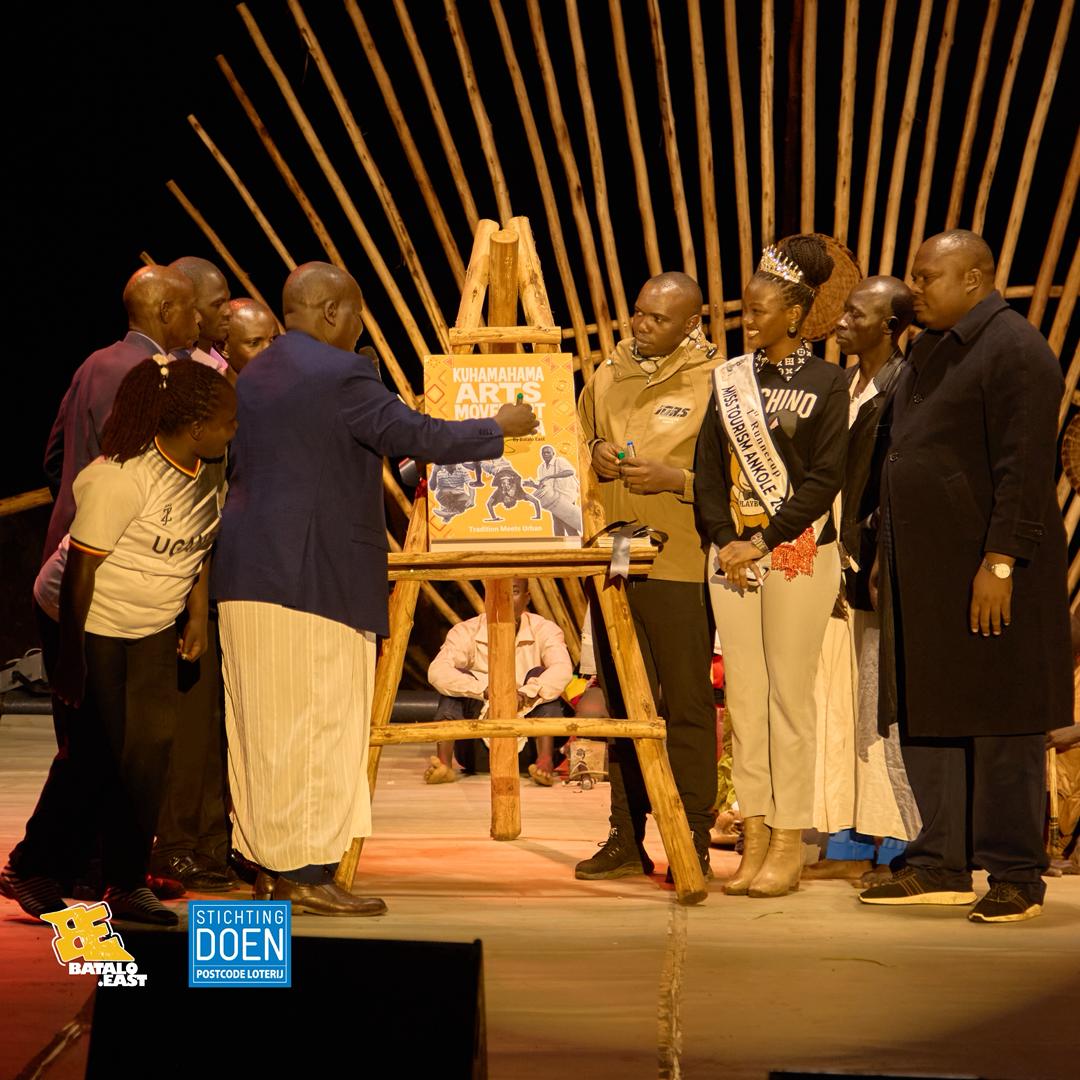
Kuhamaham Arts Movement Book; the official launch of the Kuhamahama Art Movement Book, a landmark publication documenting the cultural heritage of Butaleja. The book captures:
Writer: Roland Byagaba
Editor: Mable Amuron

Performed by: Afrique Arts Troupe From (Kampala)
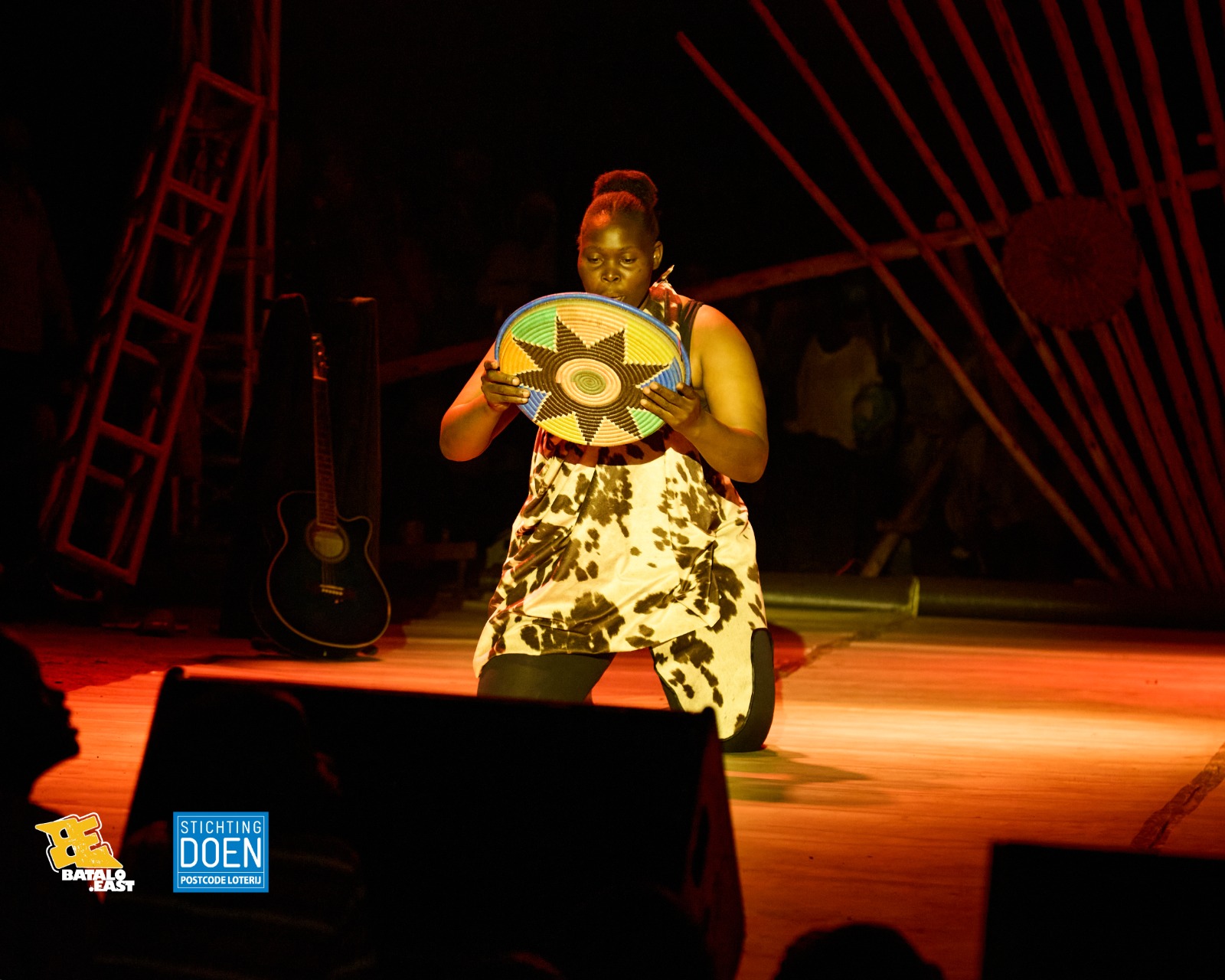
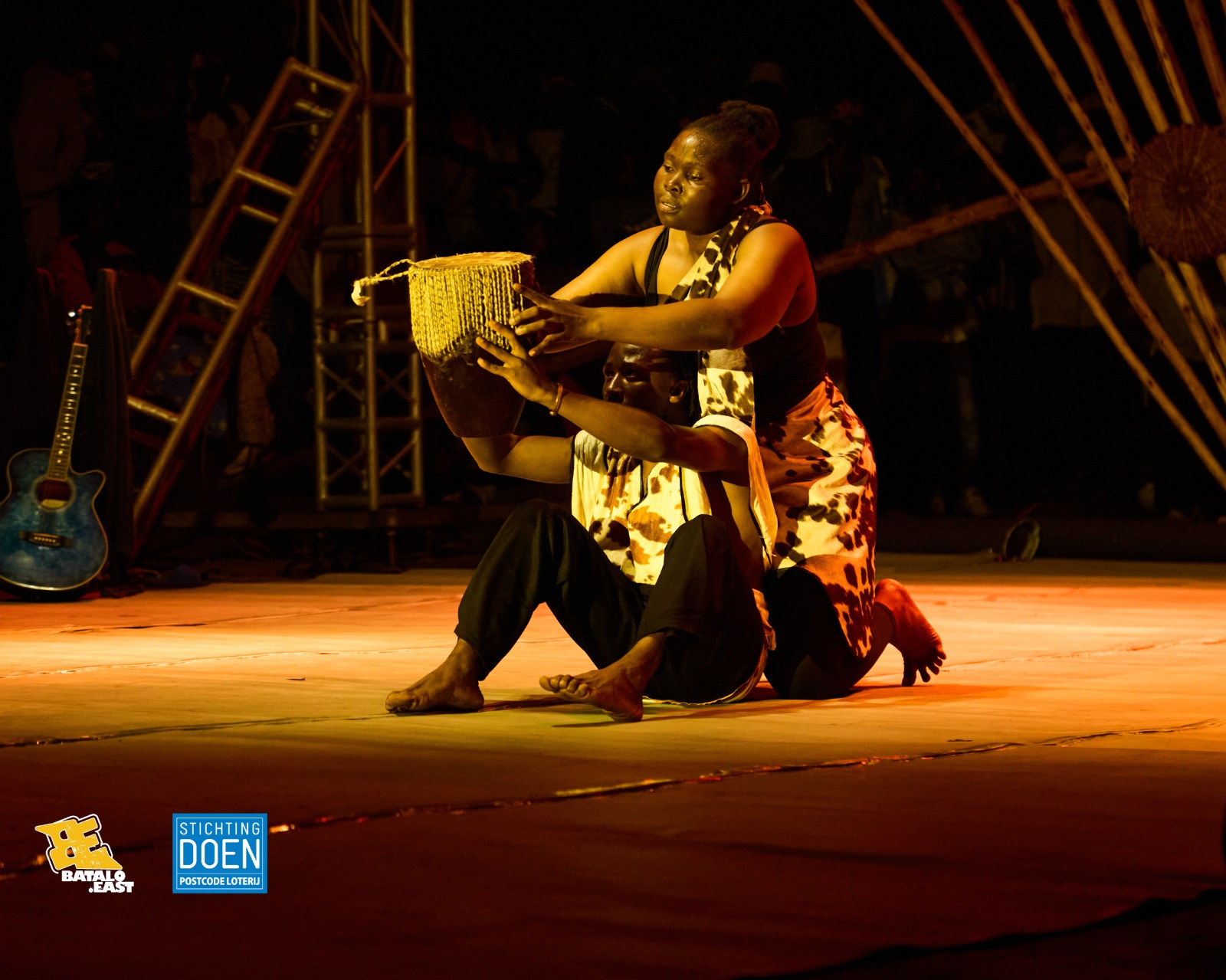
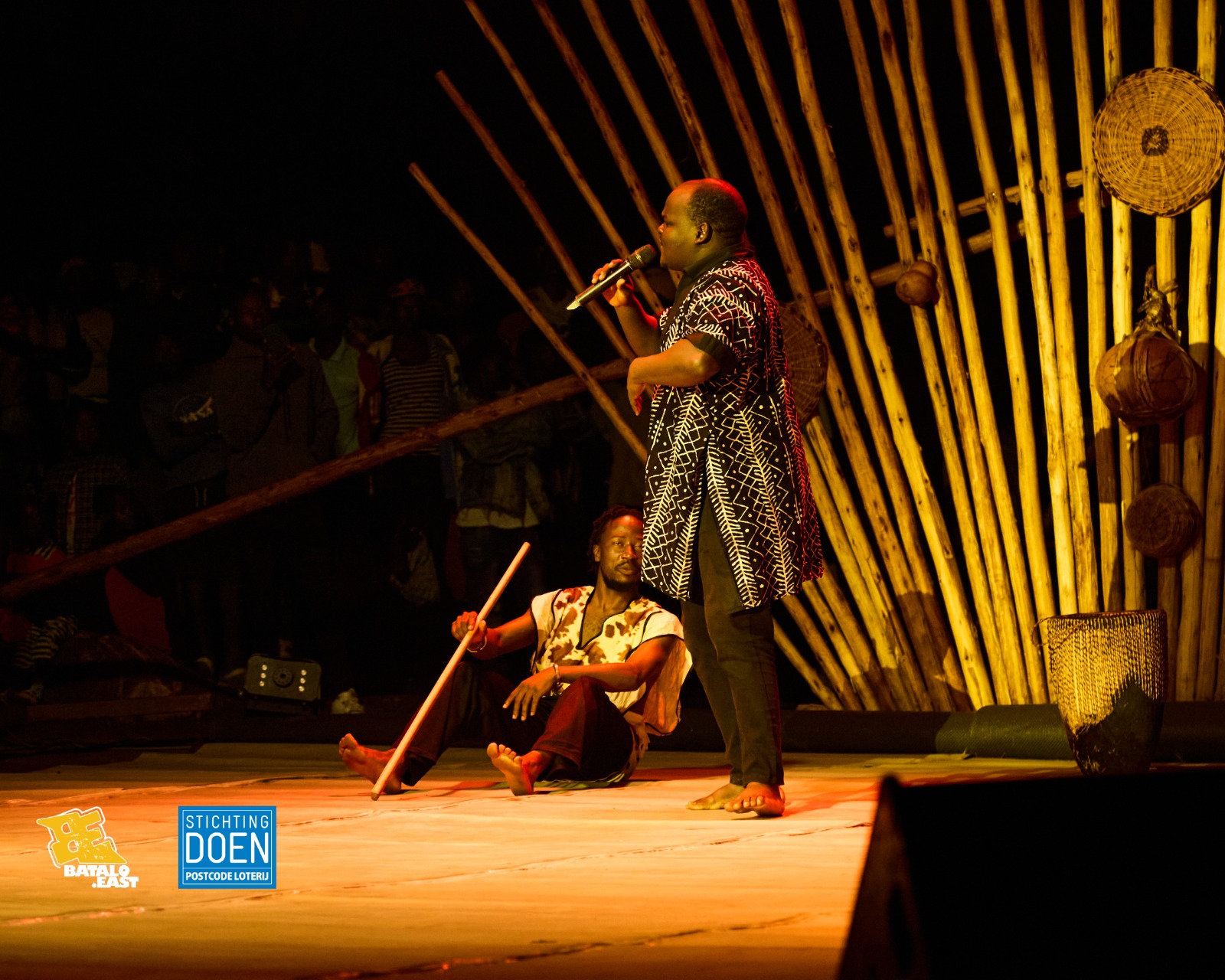
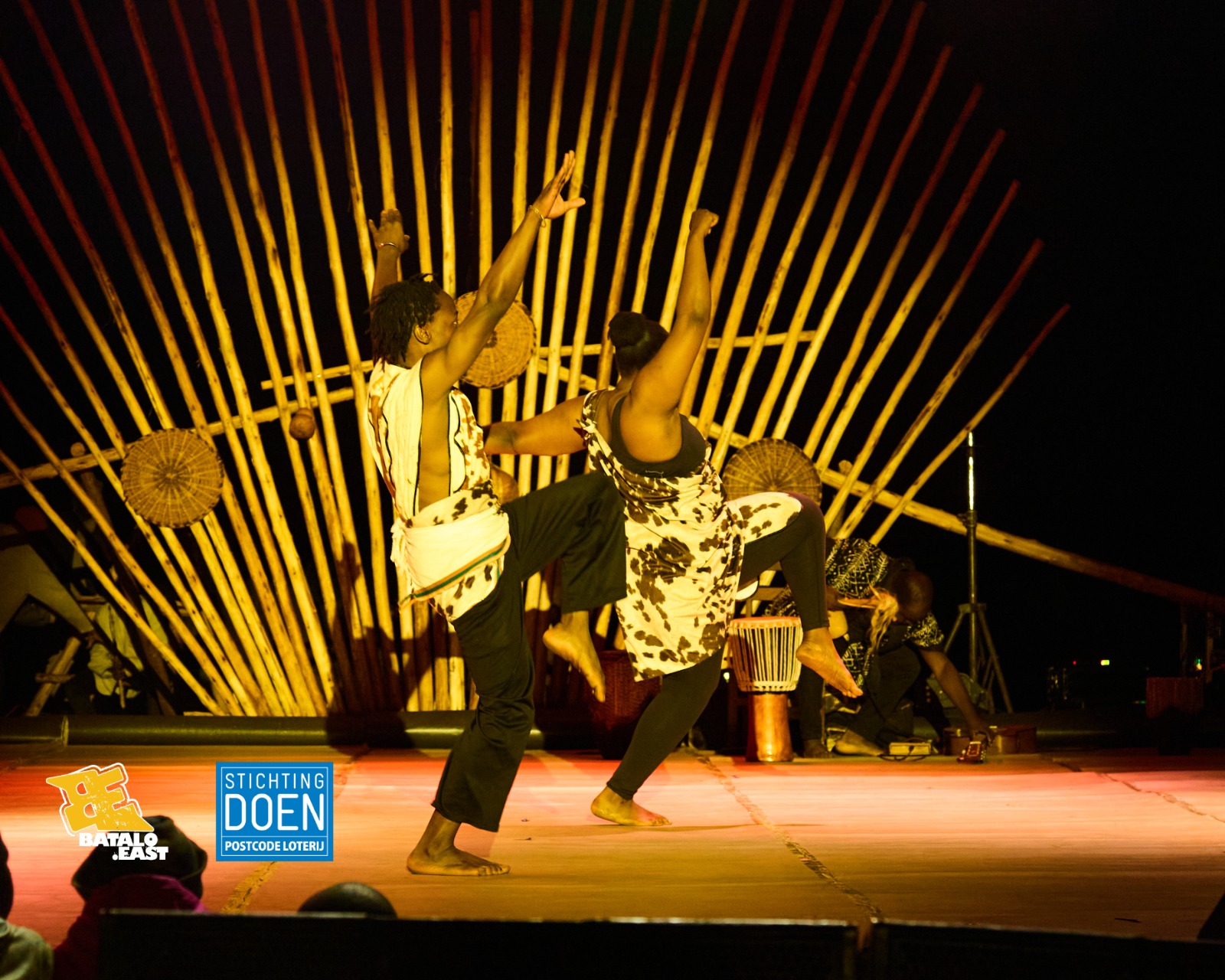
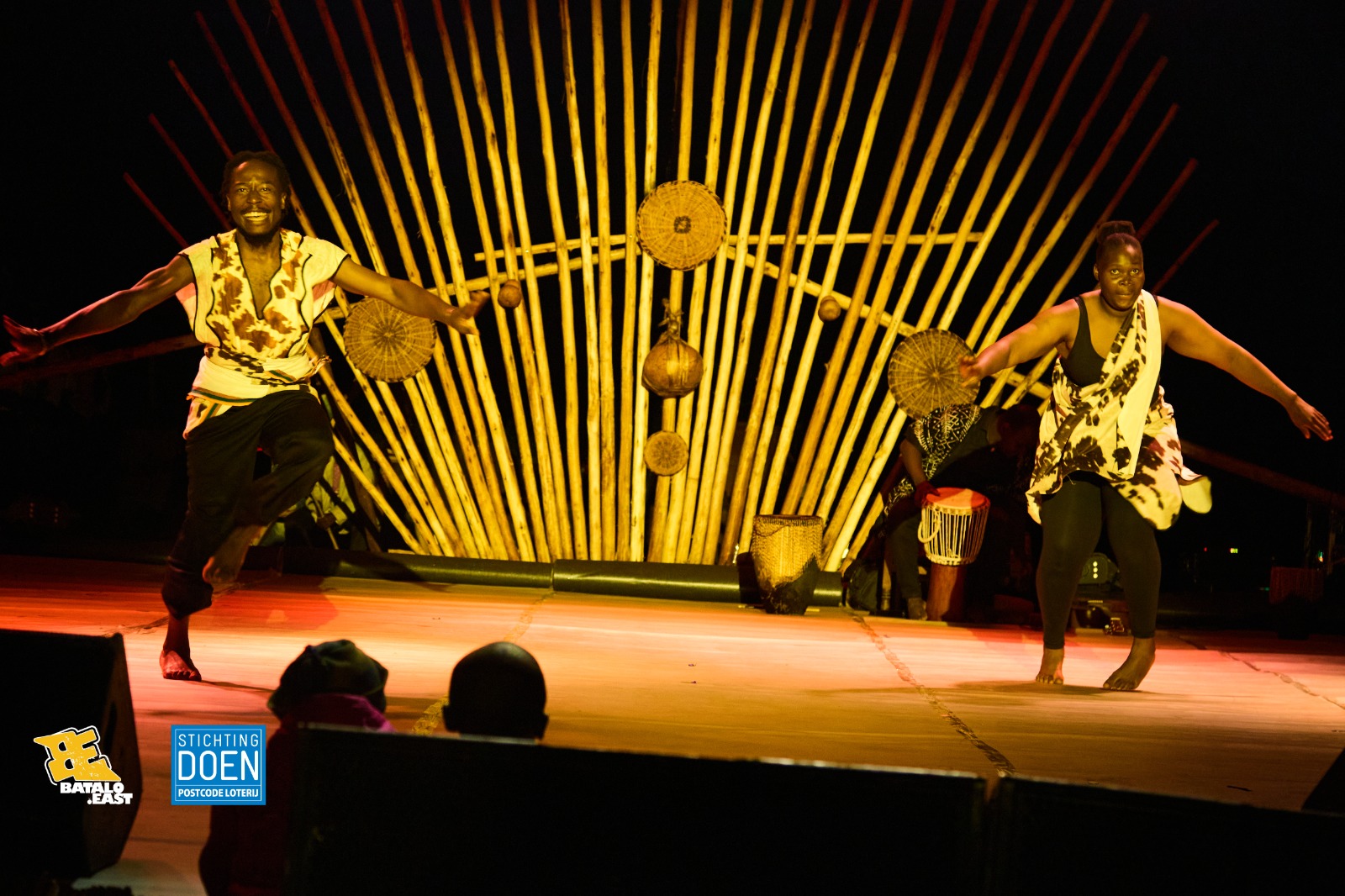
“Common Ground” delves into the heart of a Ugandan community where tradition and modernity collides. Through movement, we witness the journey of two characters: one who wholeheartedly embraces the allure of the modern world, and the other who clings steadfastly to the grounding principles of their culture. Can a bridge be built between these two worlds, allowing for a harmonious blend of the past and the present?
Choreographed by: Agaba Bob Mathias and Nalumu Justin
Music Composition by: Mugenyi Keith Divine
Performed by: Mugenyi Keith Divine, Agaba Bob Mathias and Nalumu Justine
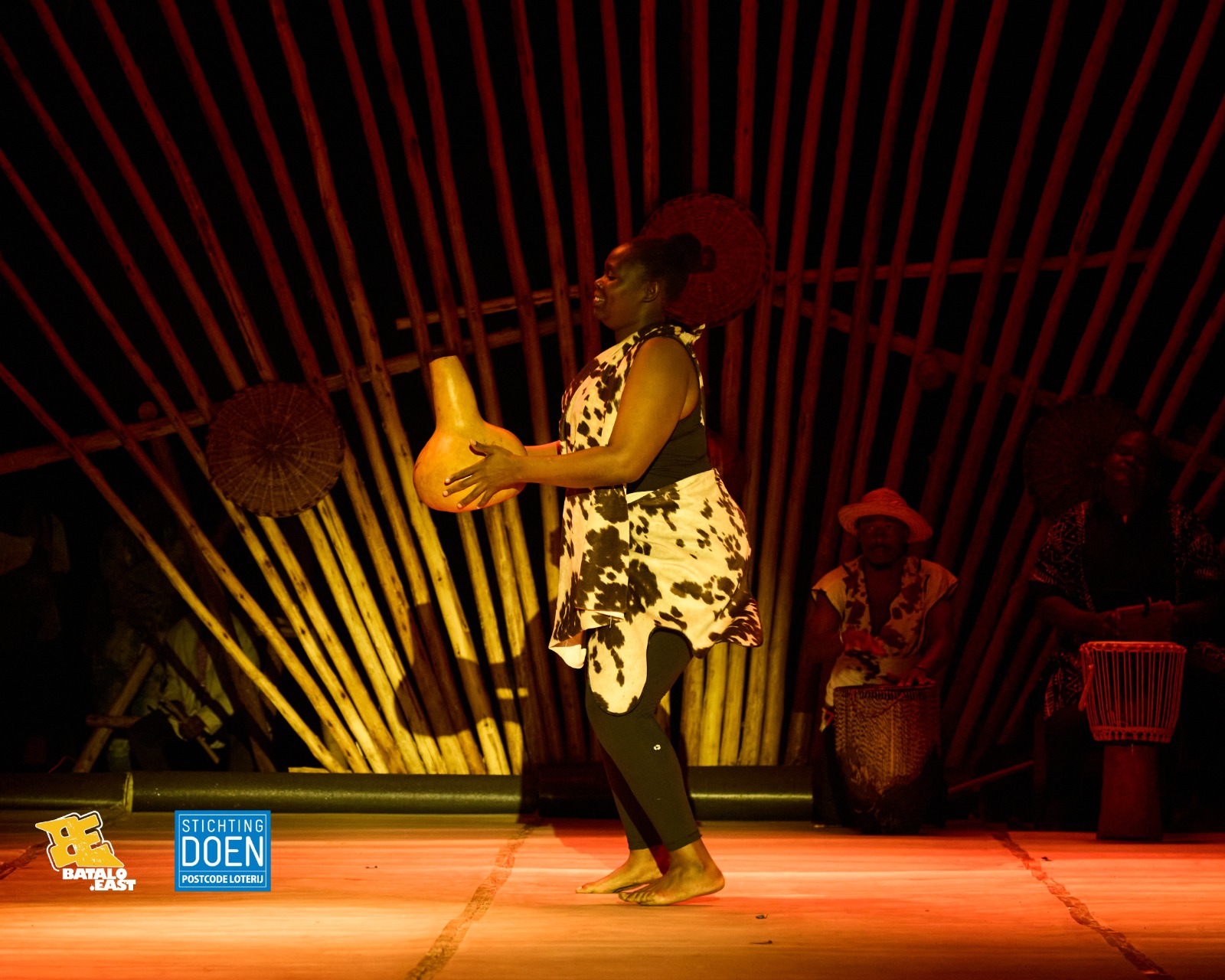
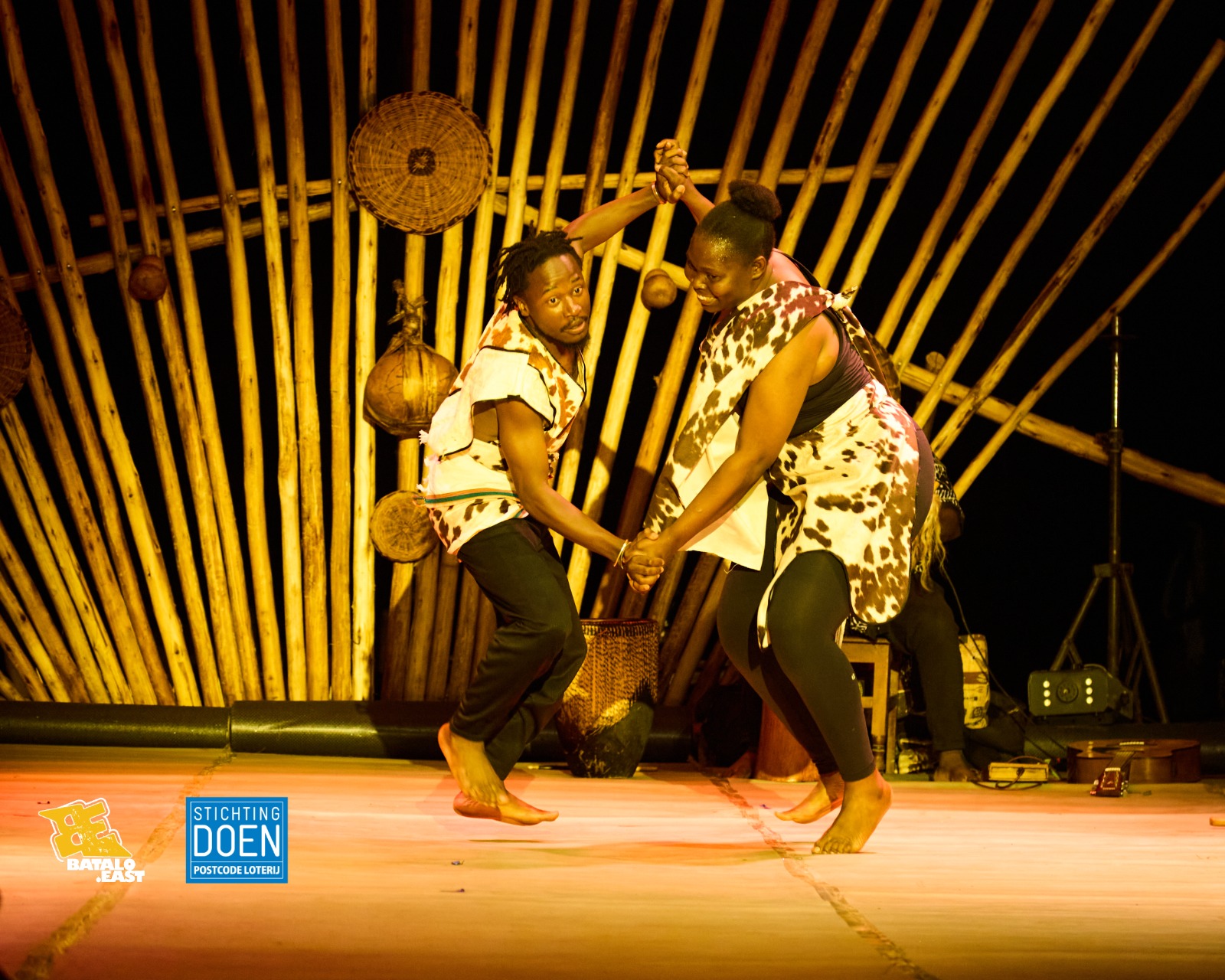
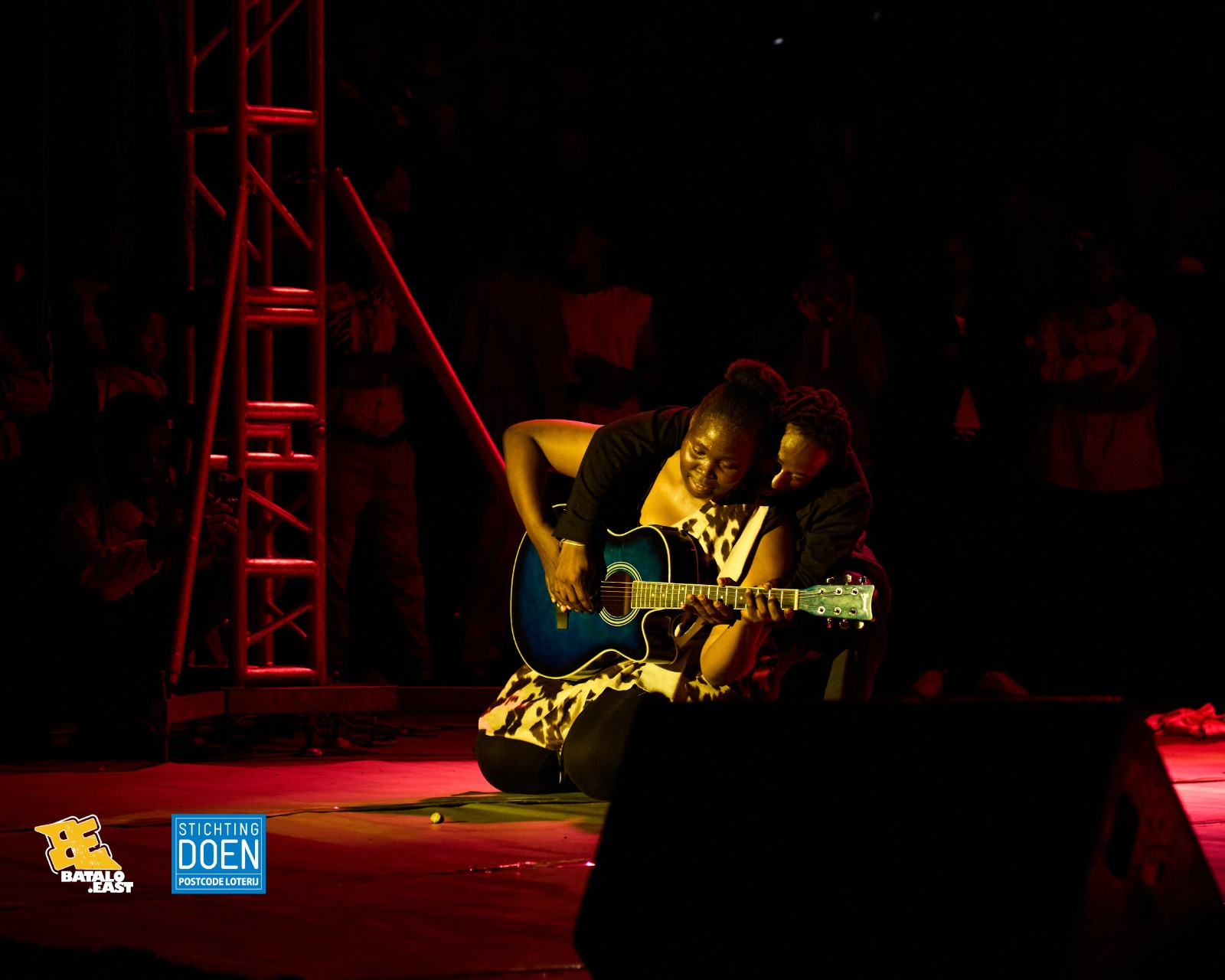
Same Love; How do people learn to love? How political is love? In his acclaimed production “Same Love,” renowned Swiss choreographer Muhammed Kaltuk makes an emotional statement for acceptance, tolerance, and empowerment. Through a multifaceted exploration of dance that examines societal and personal upbringing regarding love, stereotypes are broken down and gender roles are challenged.
It’s a performance that questions prejudices surrounding love and relationships, and explores the diversity of love and relationships. Gender roles will be examined, and the various forms of love will be celebrated. An emotional journey awaits the audiences, as well as the political dimension of love and its empowering messages.
In this piece, Muhammed Kaltuk explores what “love” meant to his Turkish ancestors and how young people from diverse cultural backgrounds relate to this concept.
Choreographed by: Muhammed Kaltuk
Performers: Laila Gonzalez, Walusansa Derickson, Ally Best, Bwambale Shafik, Nambooze Haula, Naggita Martha, Kateregga Umar, Twinomujuni Ivan , Kawesa Shanta, Tumwebaze Daphne
In collaboration with: Soul-Xpressions
Hosted by Batalo East Dance Festival
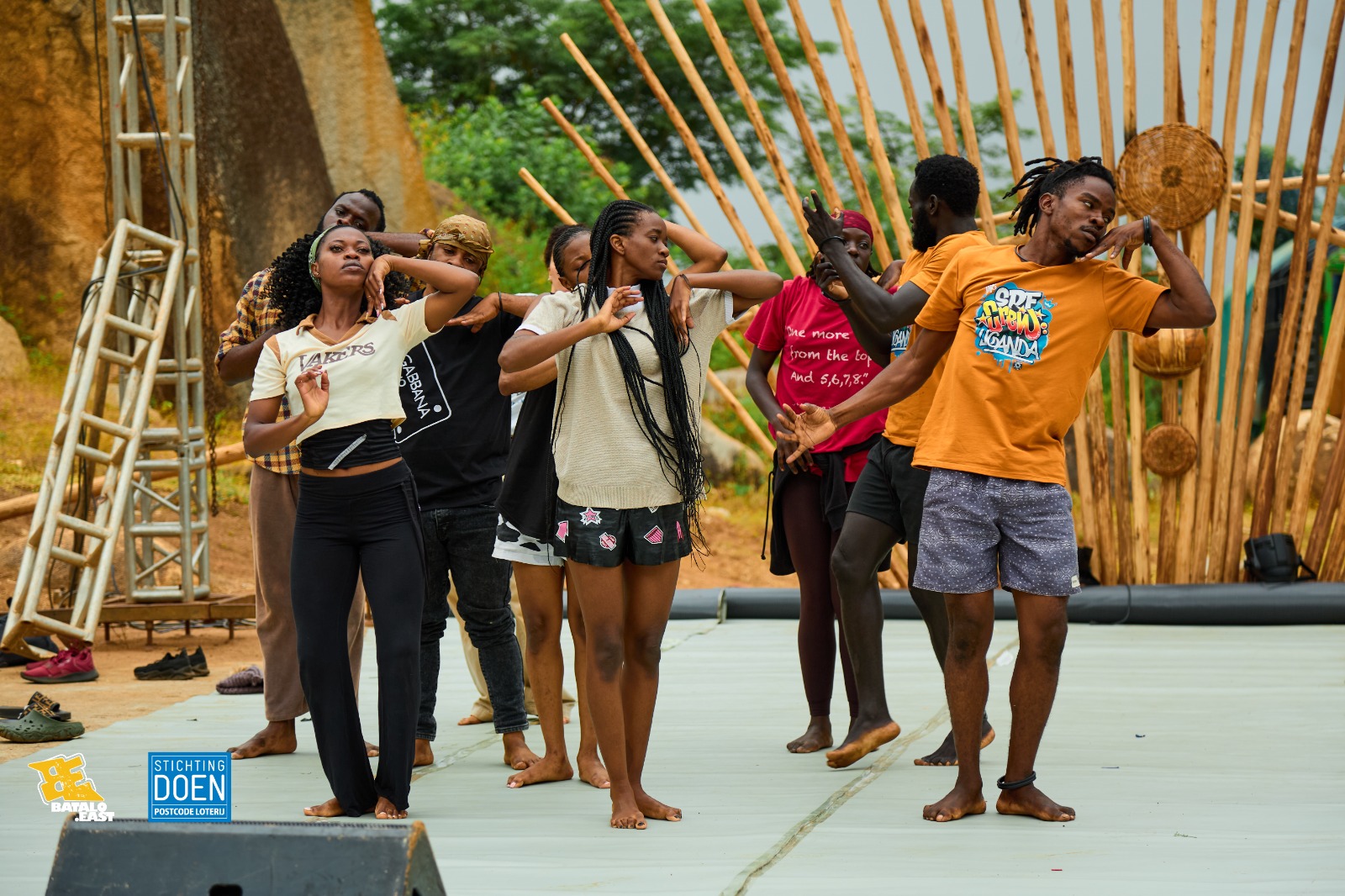
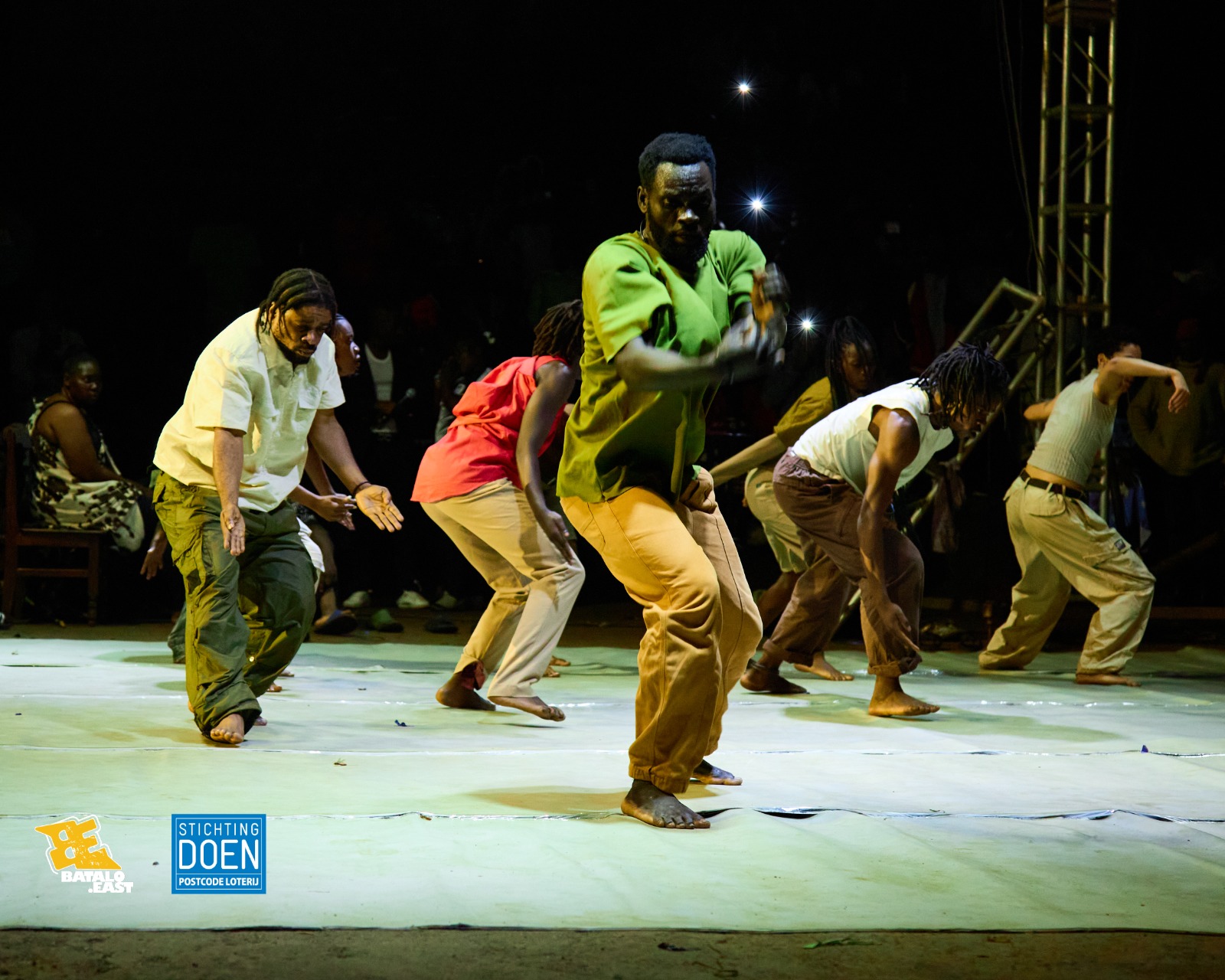
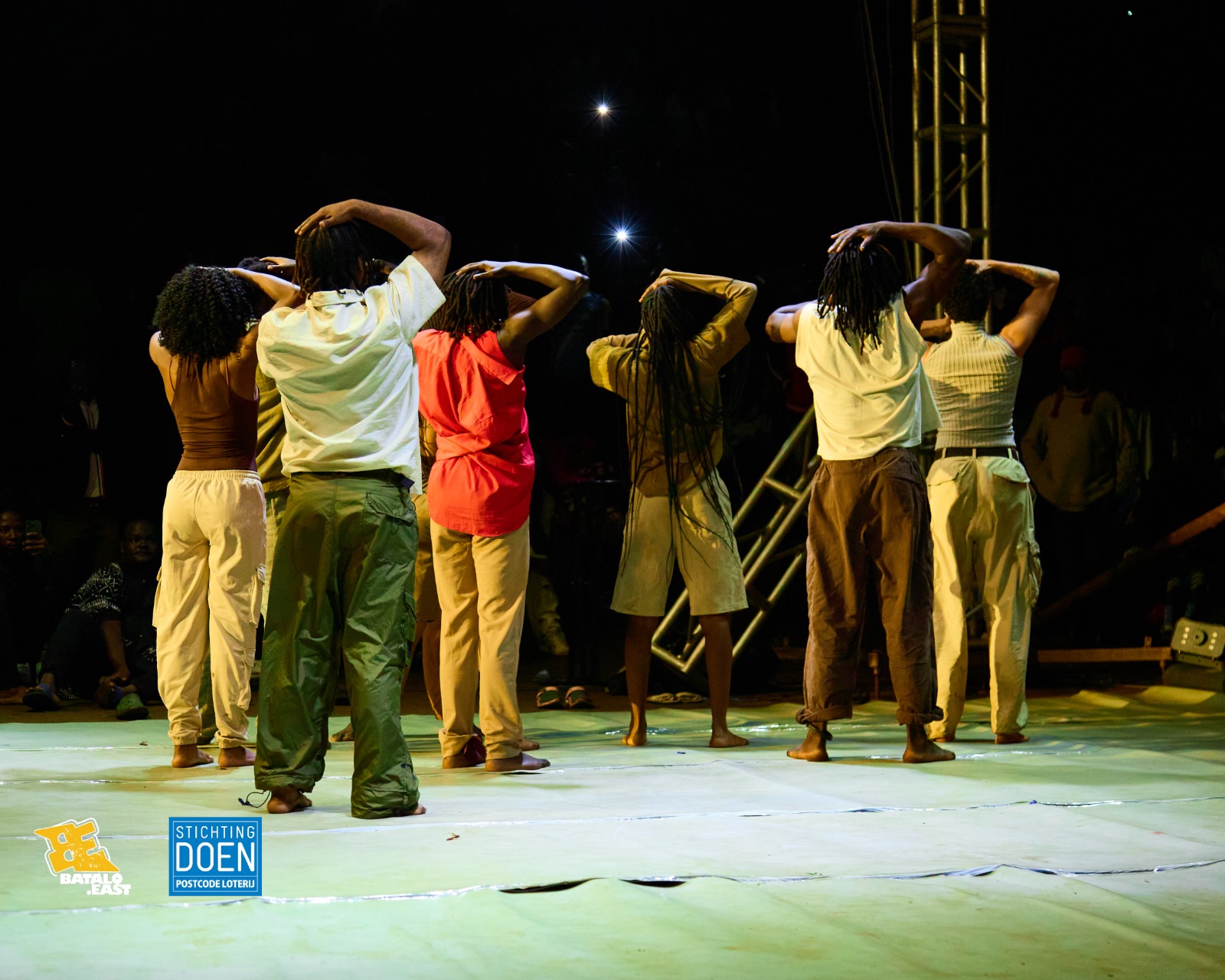
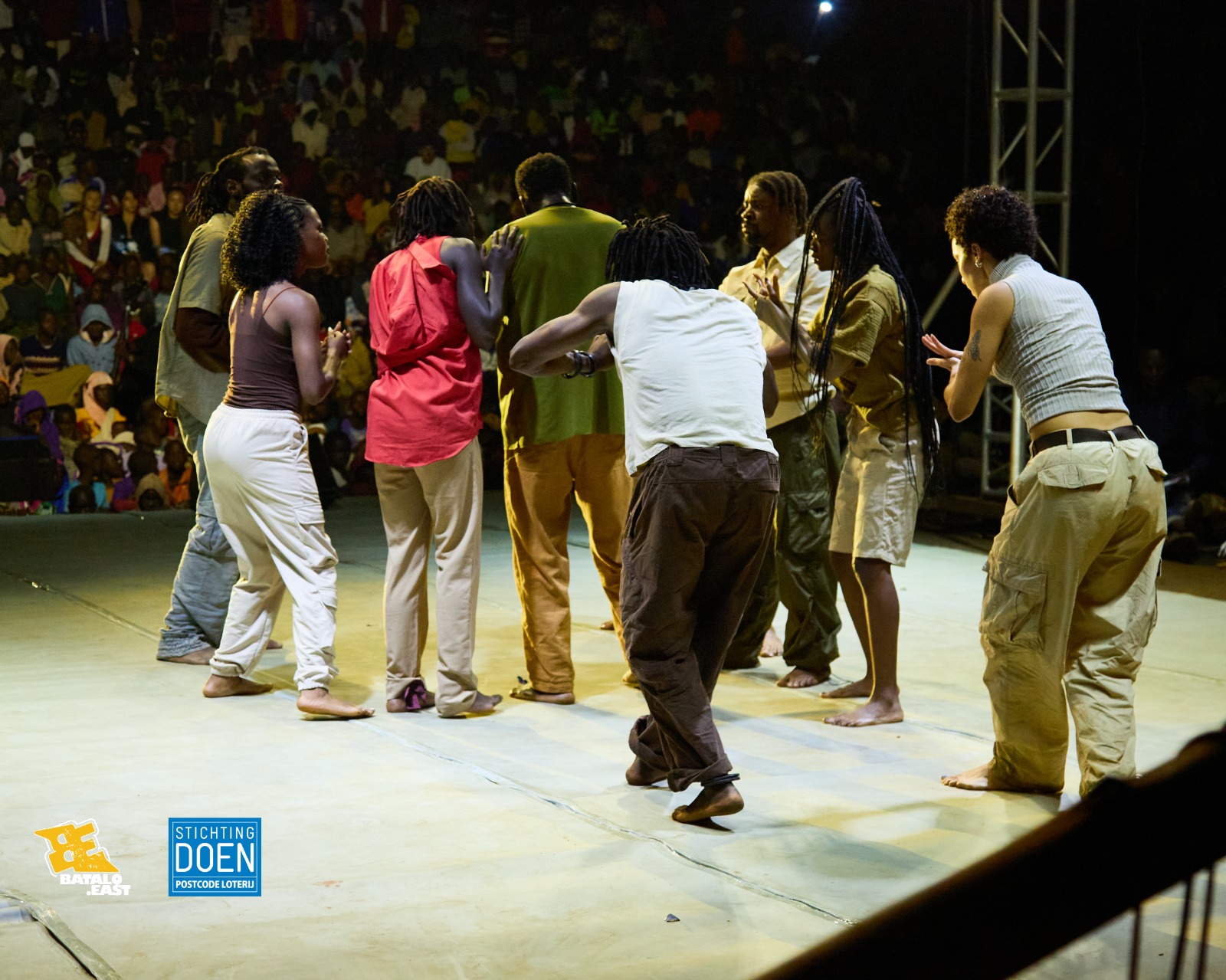
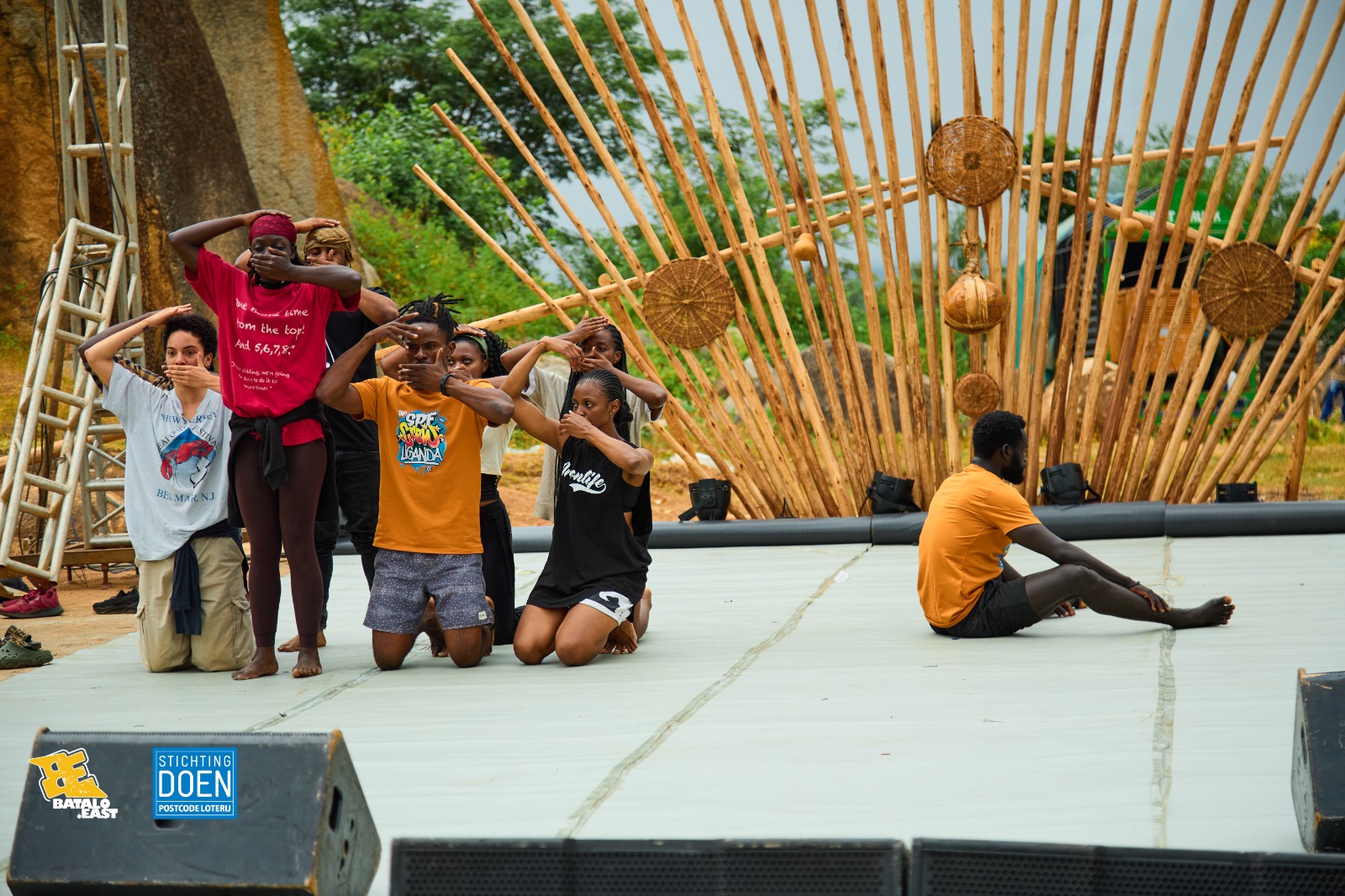
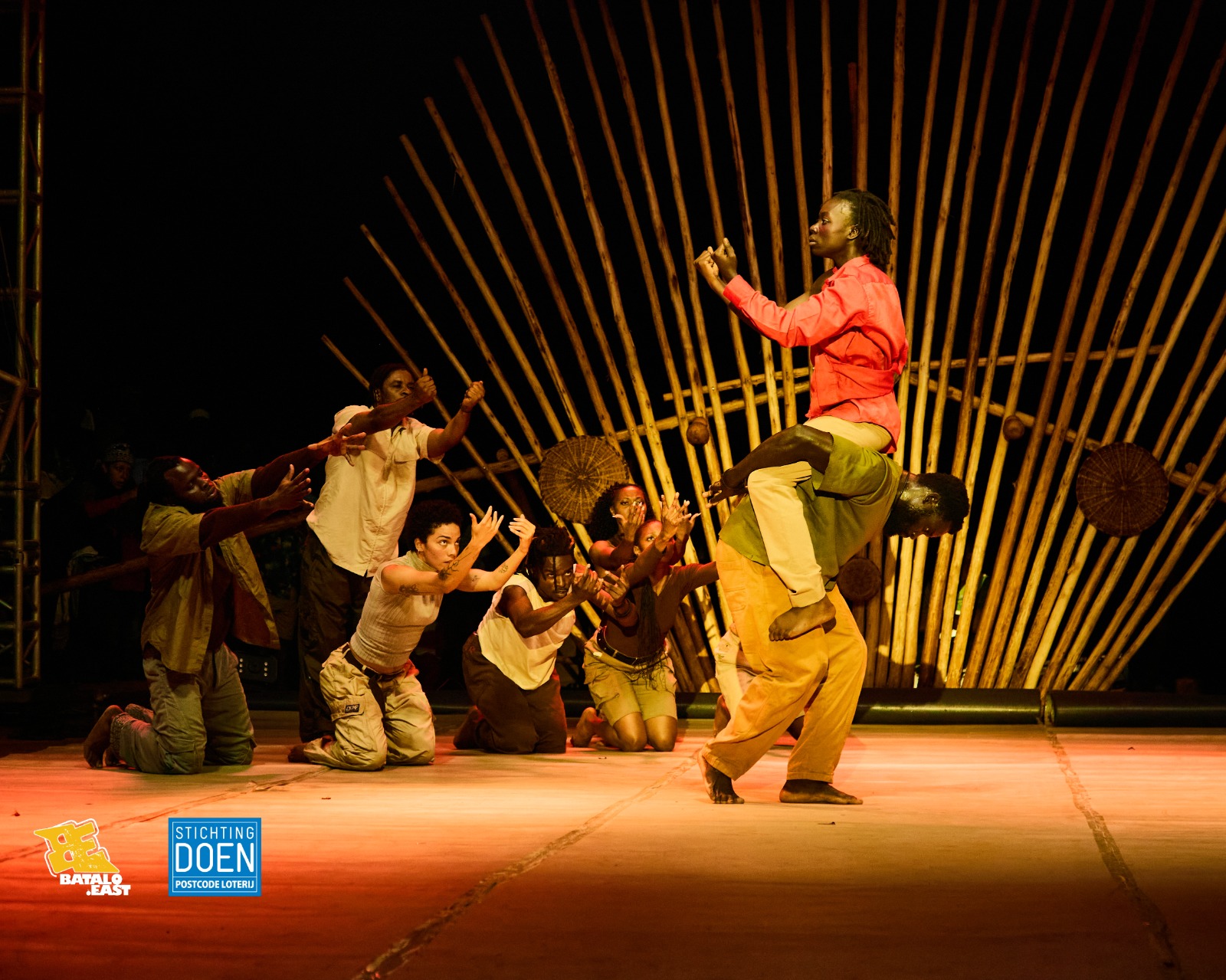
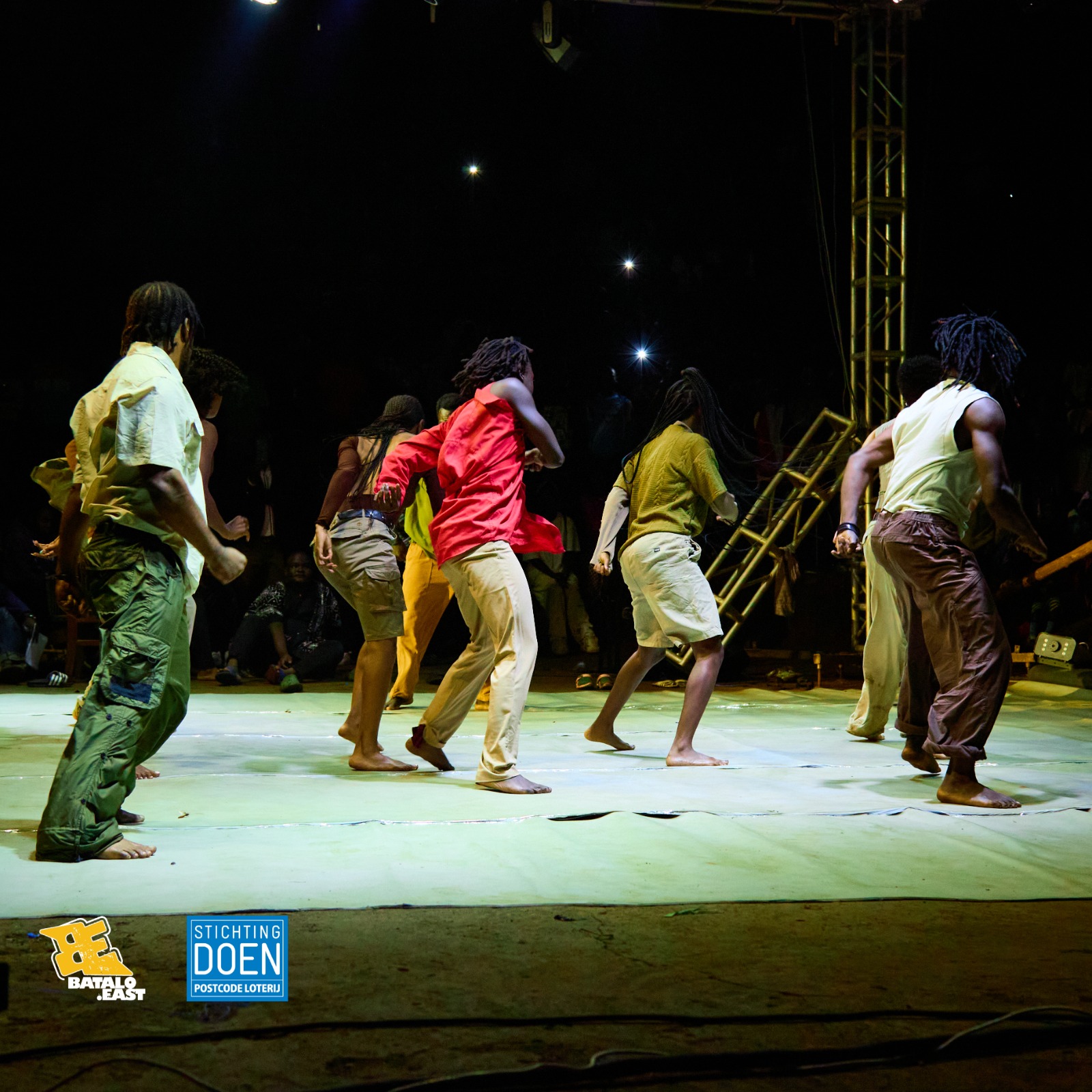
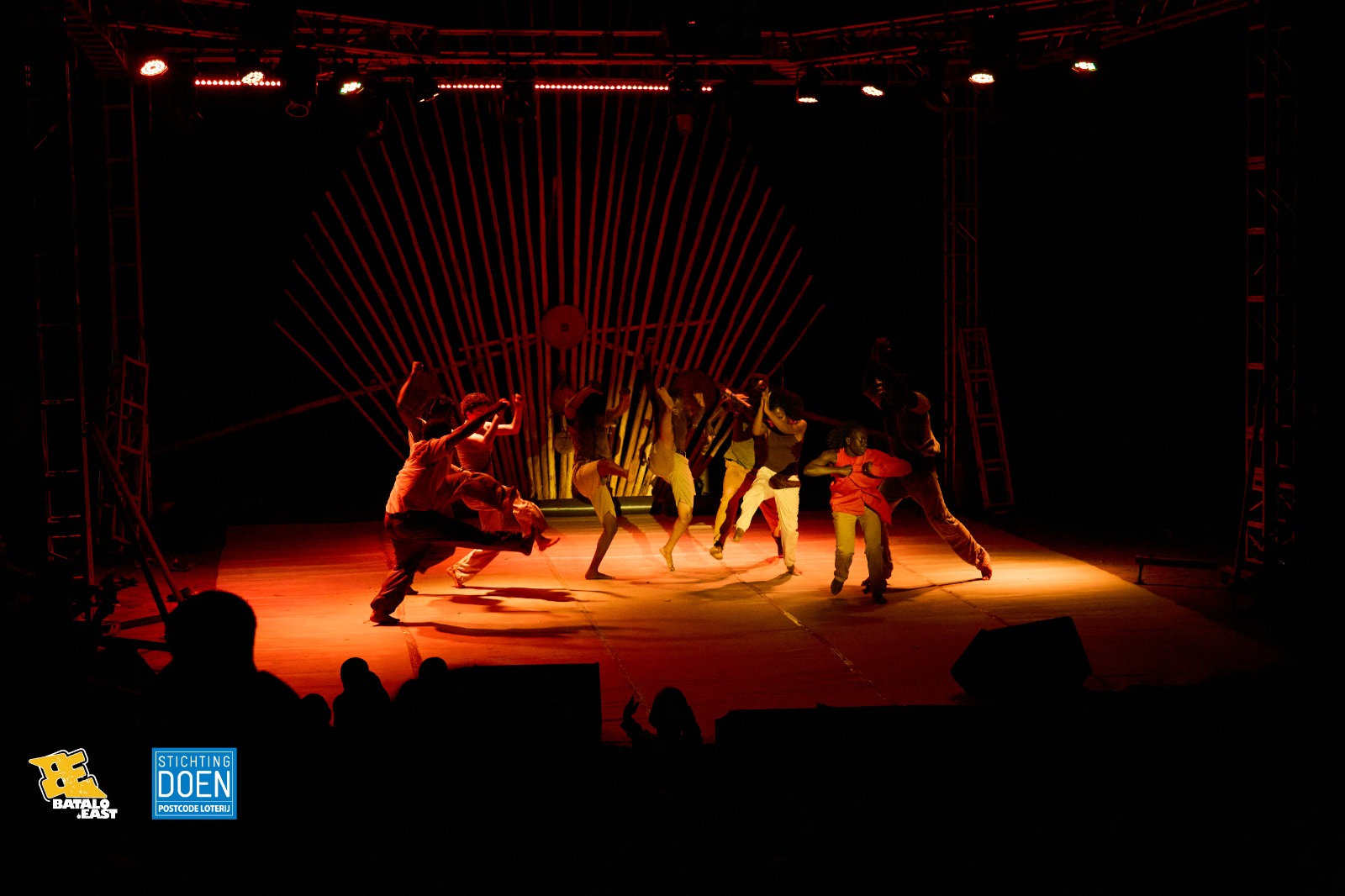
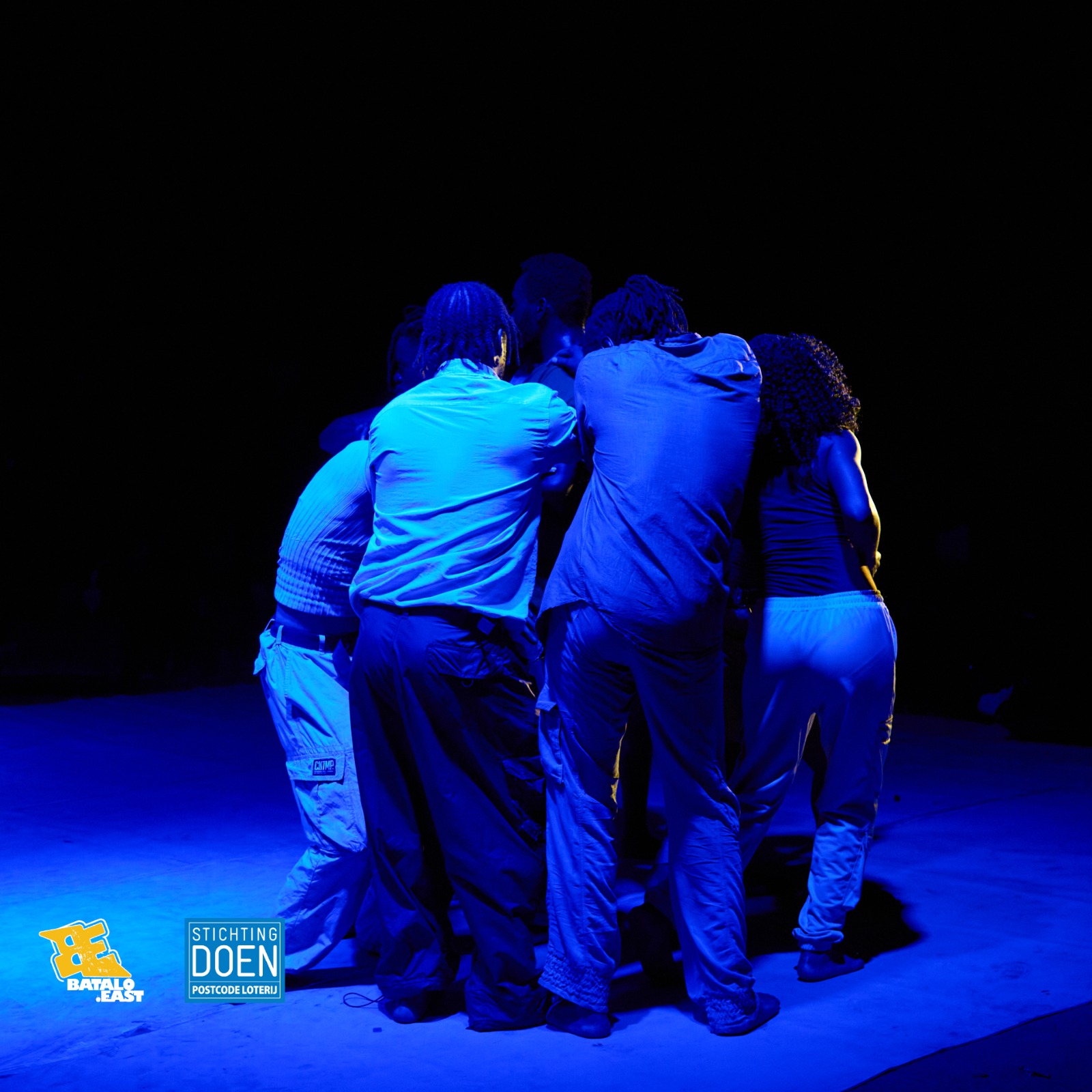
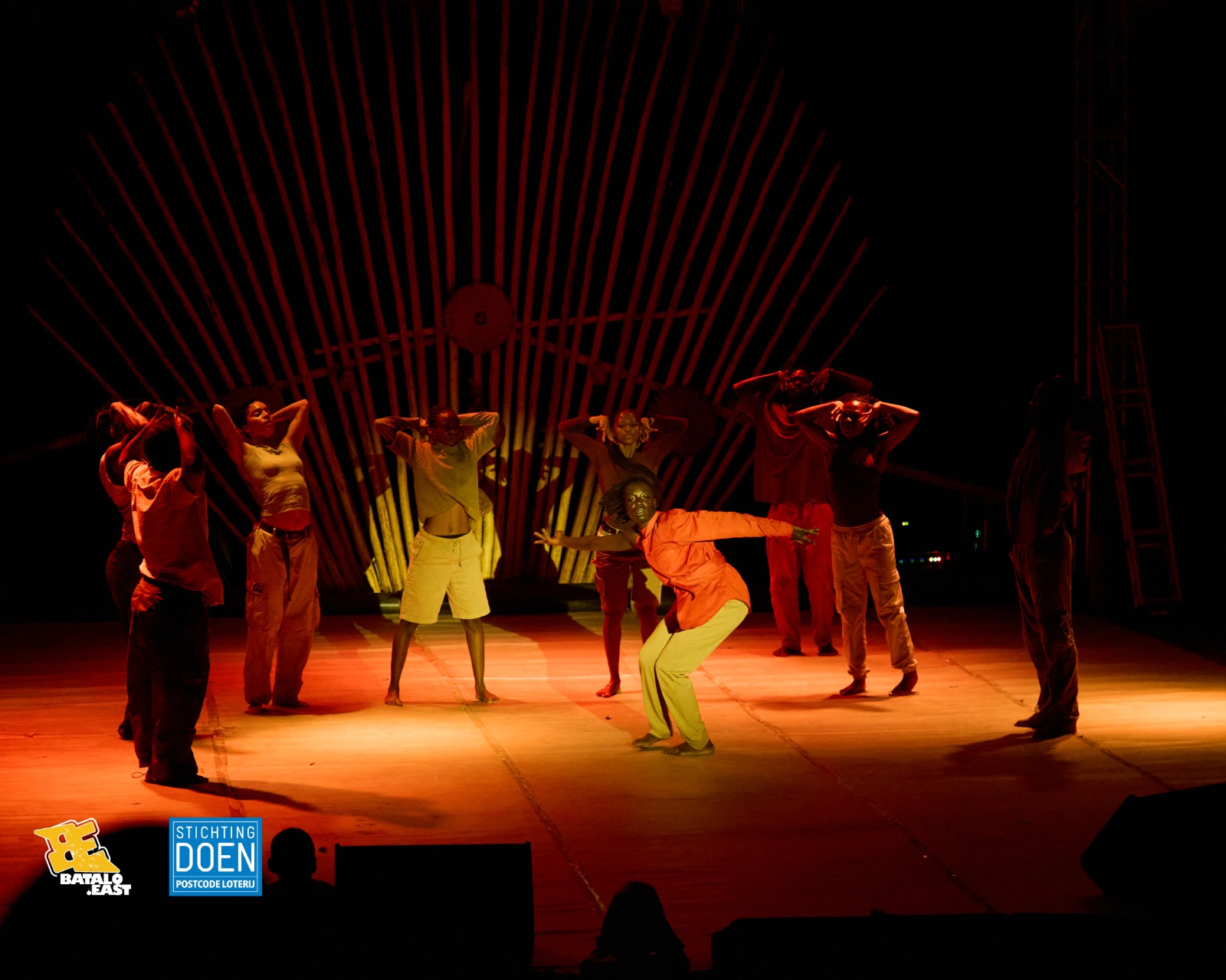
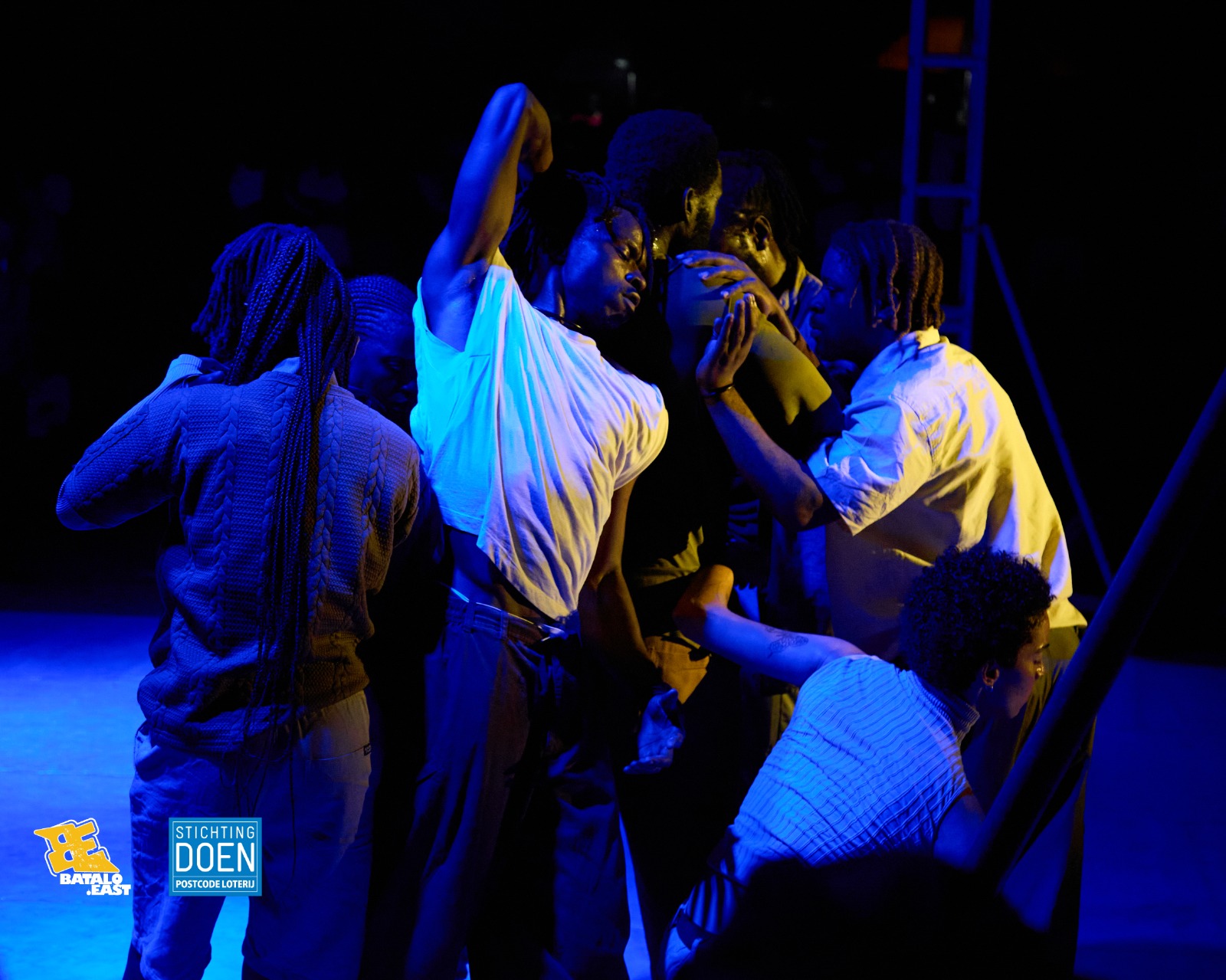
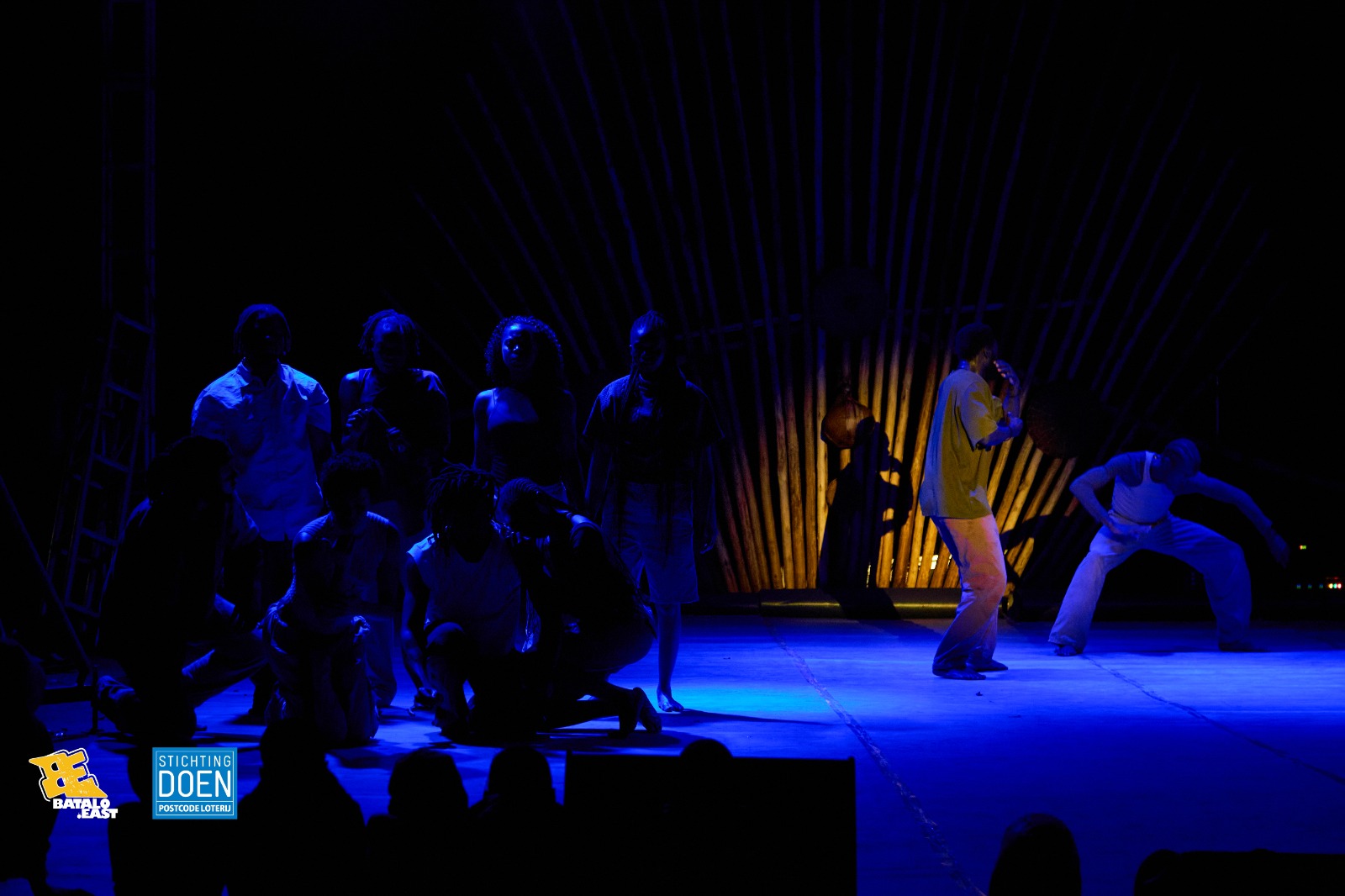
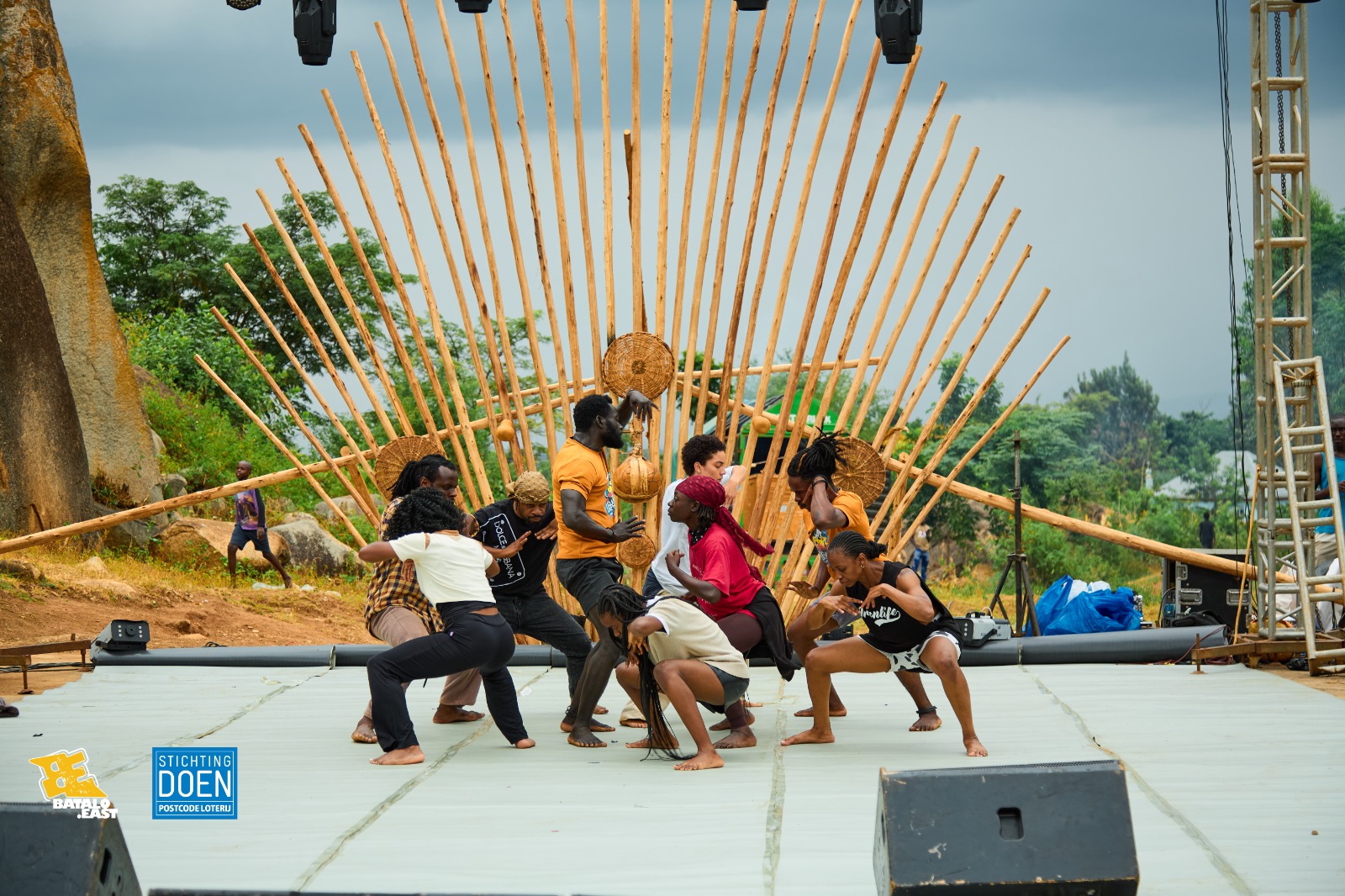
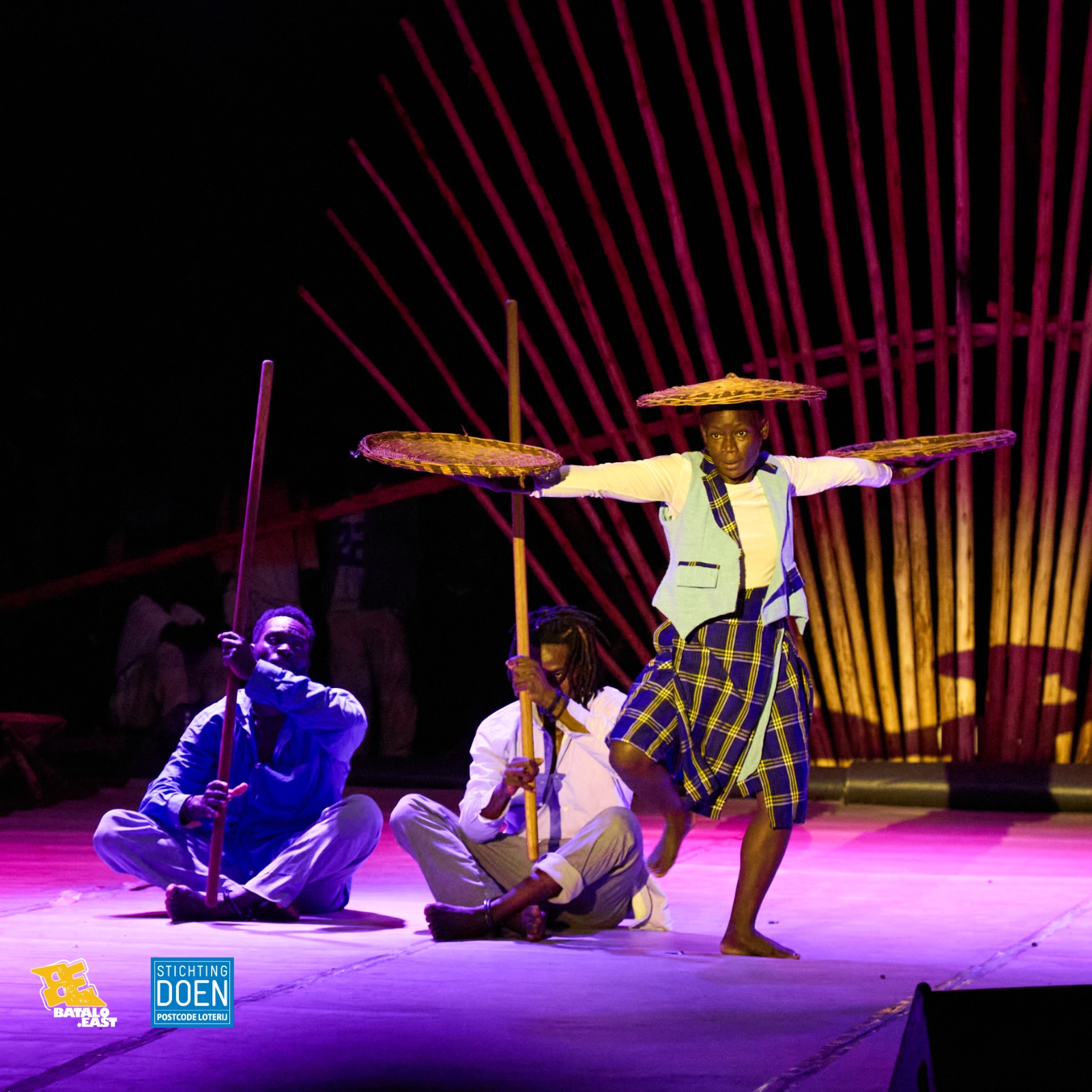
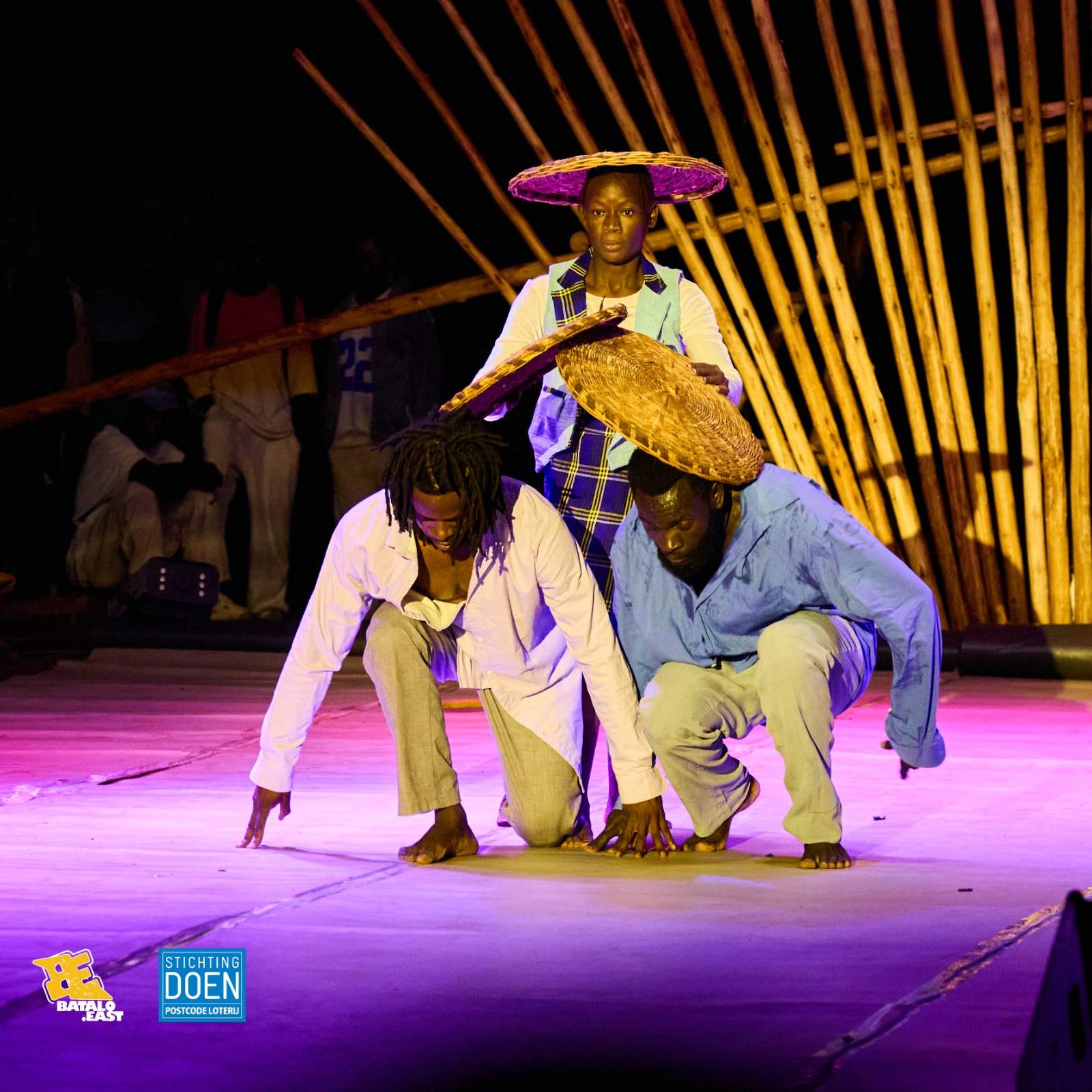
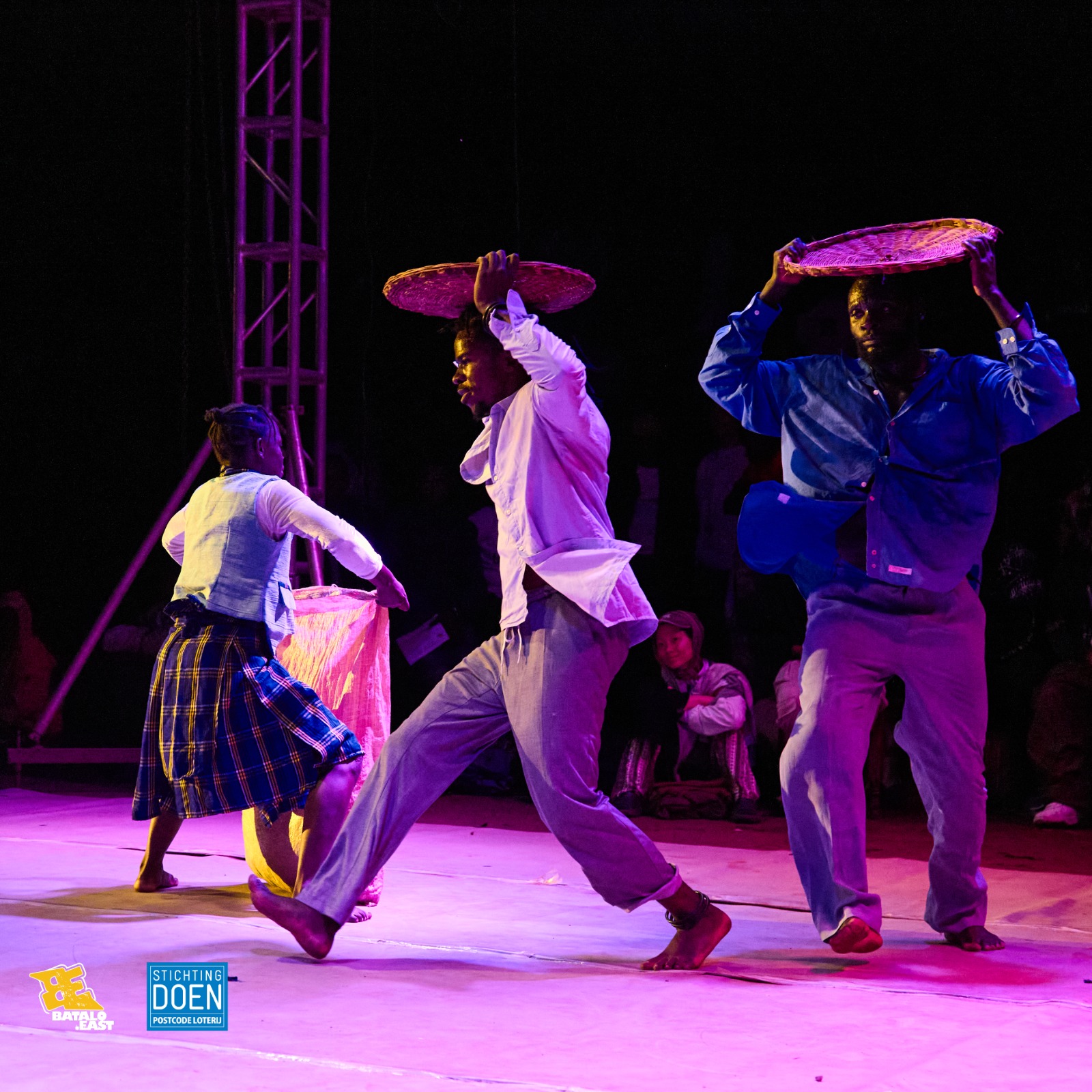
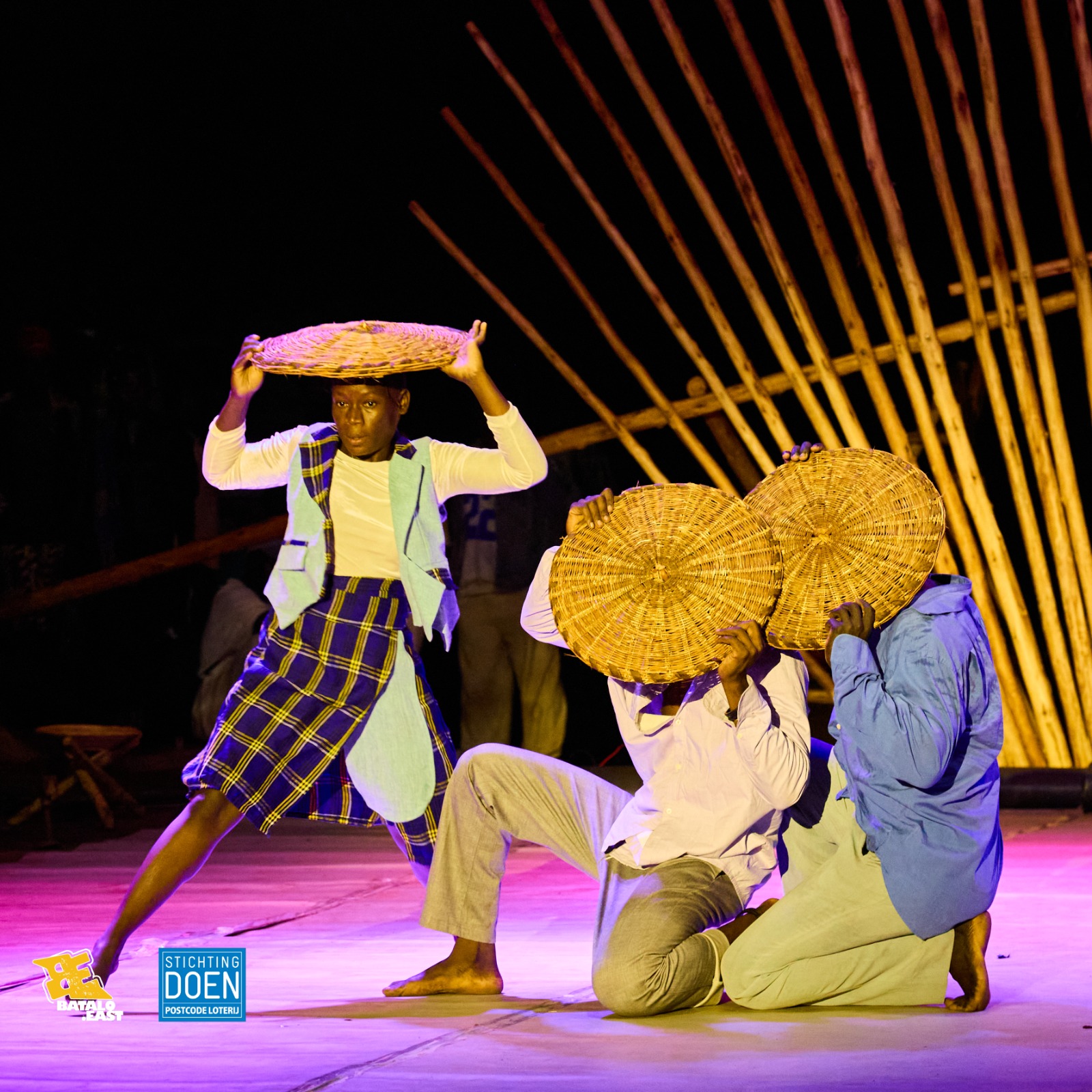
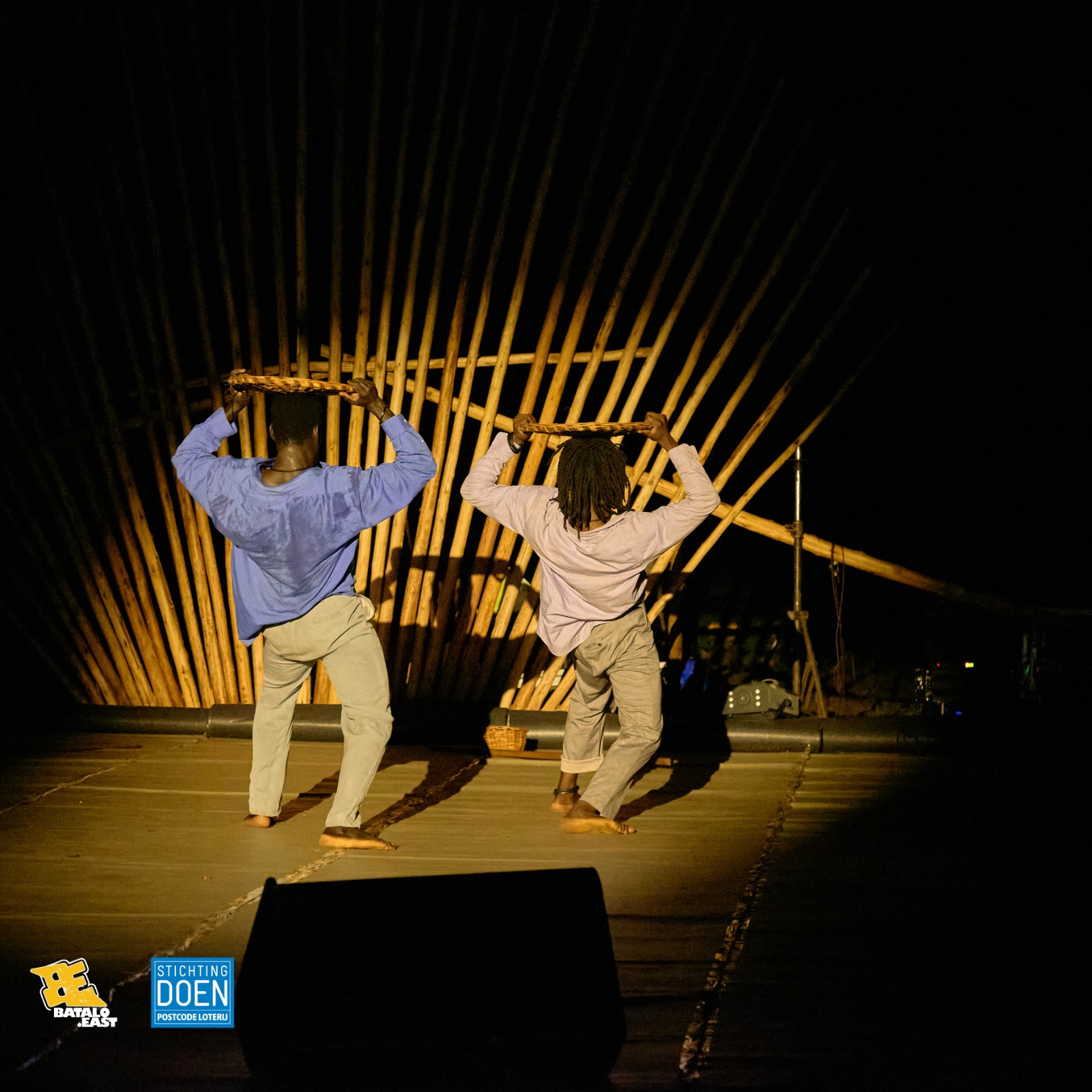
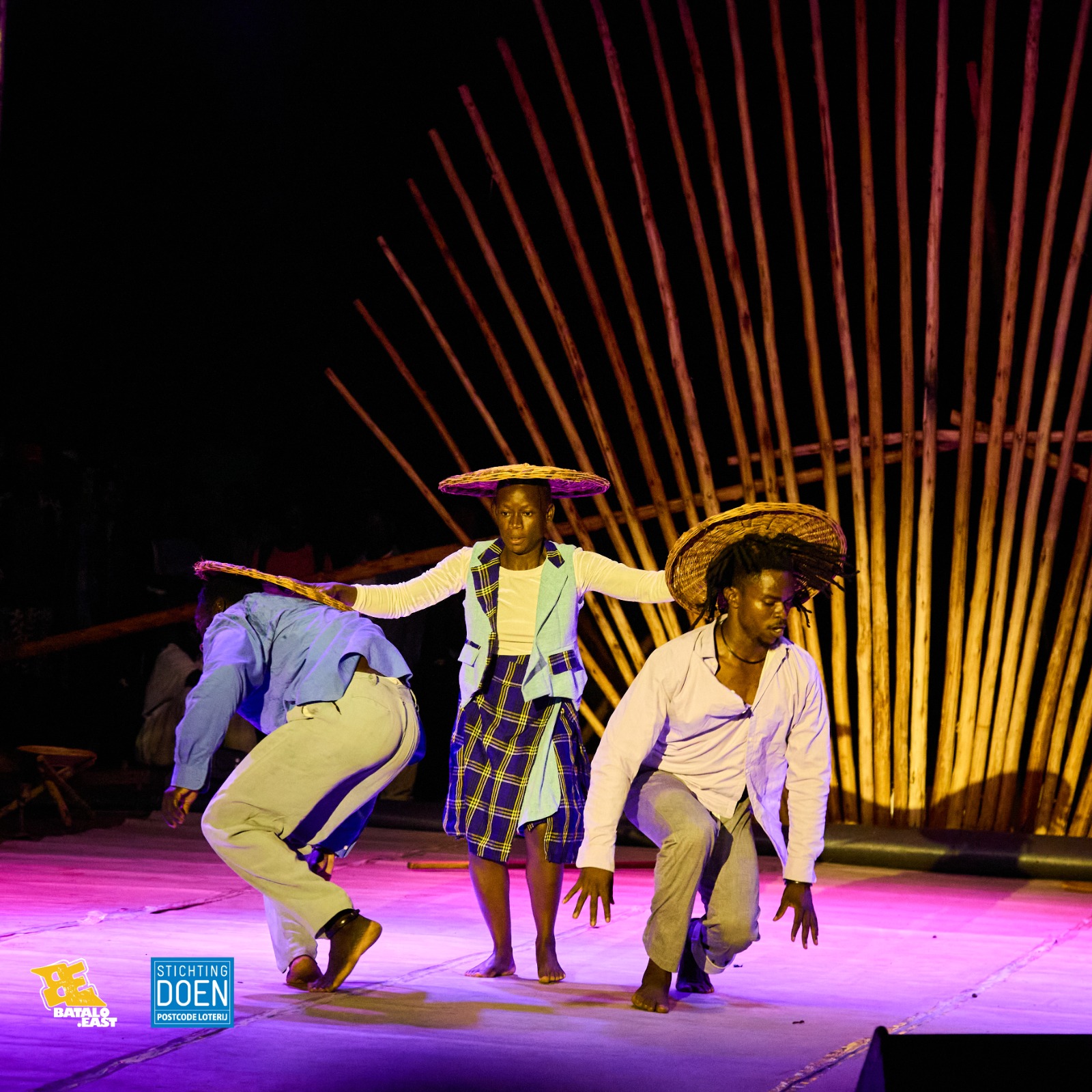
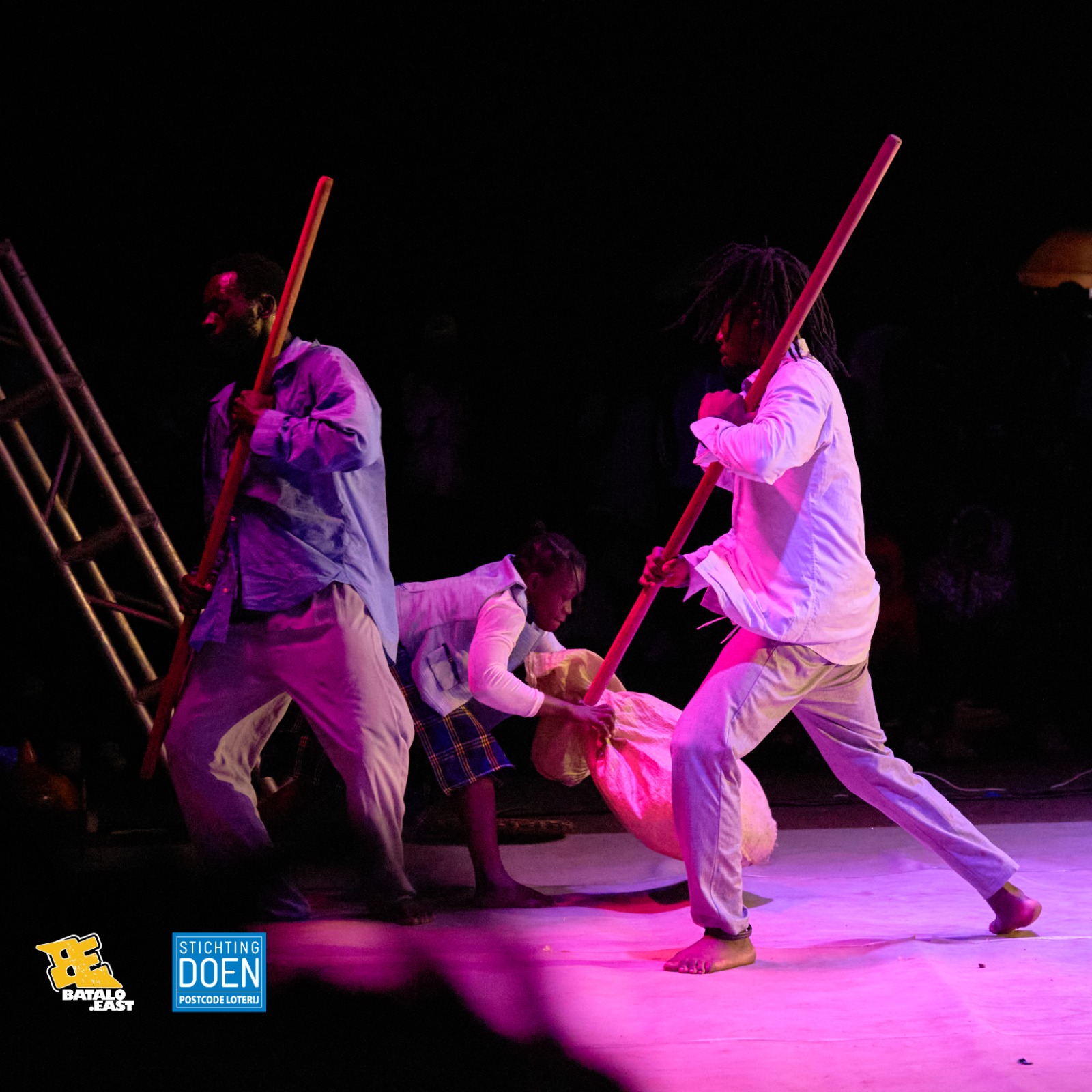
“Etamiiro Lukiiko” is a Luganda phrase meaning “The Drunken Committee.” It is a story about a village once known for its wisdom and strength—a land of farmers, builders, and dreamers. Its people were intelligent, hardworking, and proud. Yet over the years, the systems that once nurtured them began to crumble. Poor infrastructure, insecurity, and a corrupt administration strangled their efforts. No matter how hard they worked, the fruits of their labor withered in the dust of a broken system.
Concept and Choreography: Elvis Elasu ( Levy)
Performance: Street Dance Force Crew Uganda
Performer Names: Kasoga Winnifred, Bwambale Shafik, Walusansa Derickson
Costume Design: Bwambale Shafik
Music: Levyzm sounds & Rayz Avenue
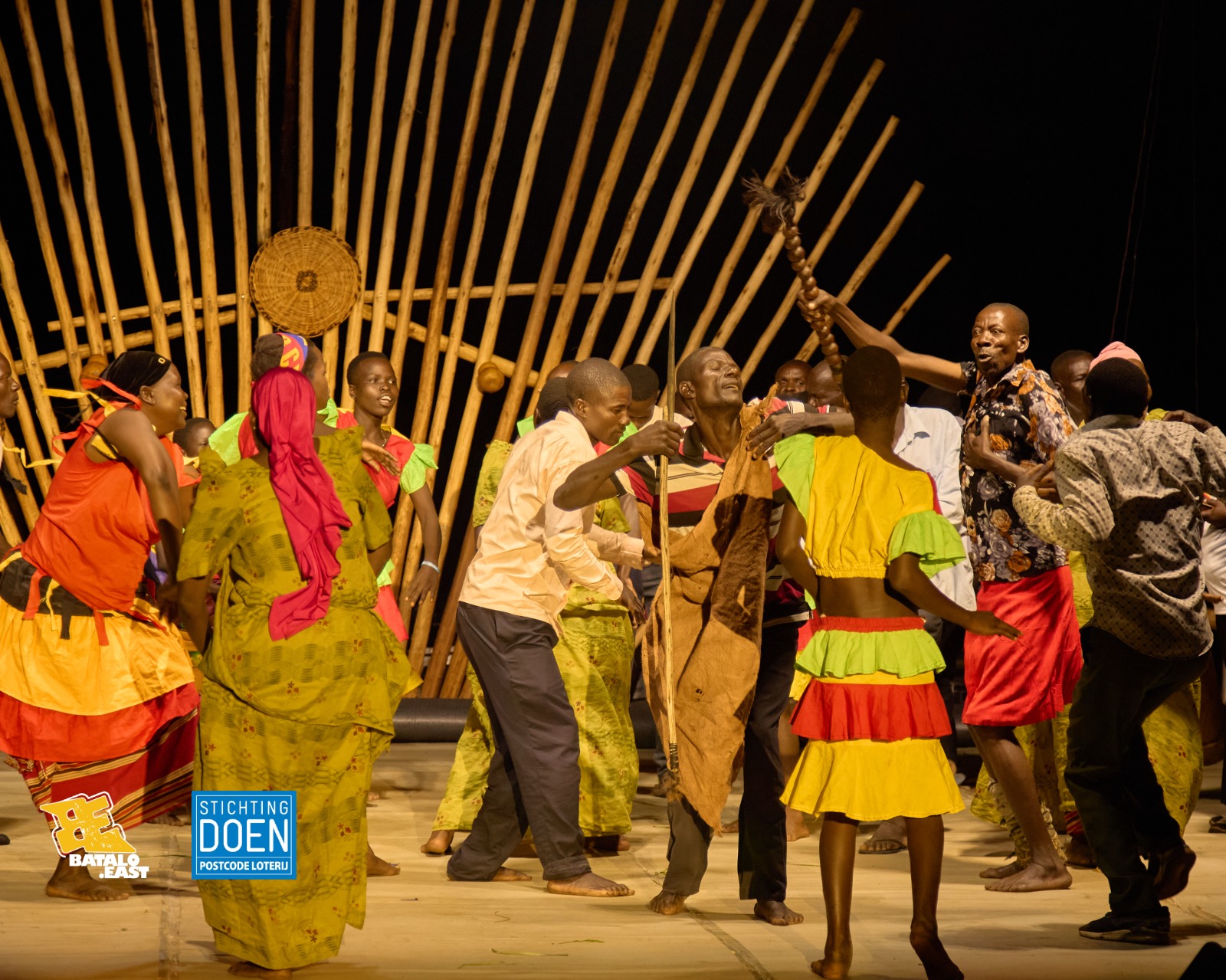
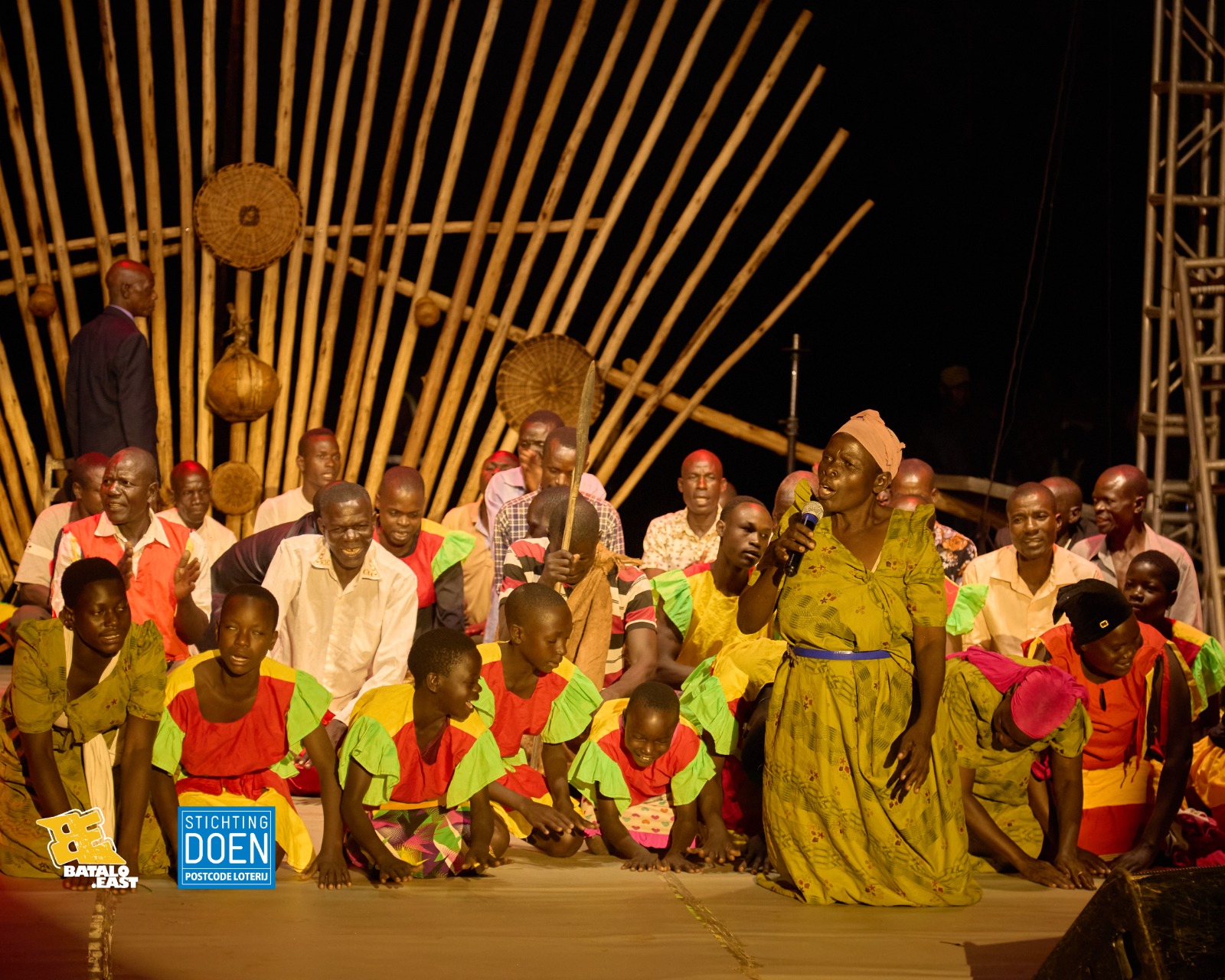
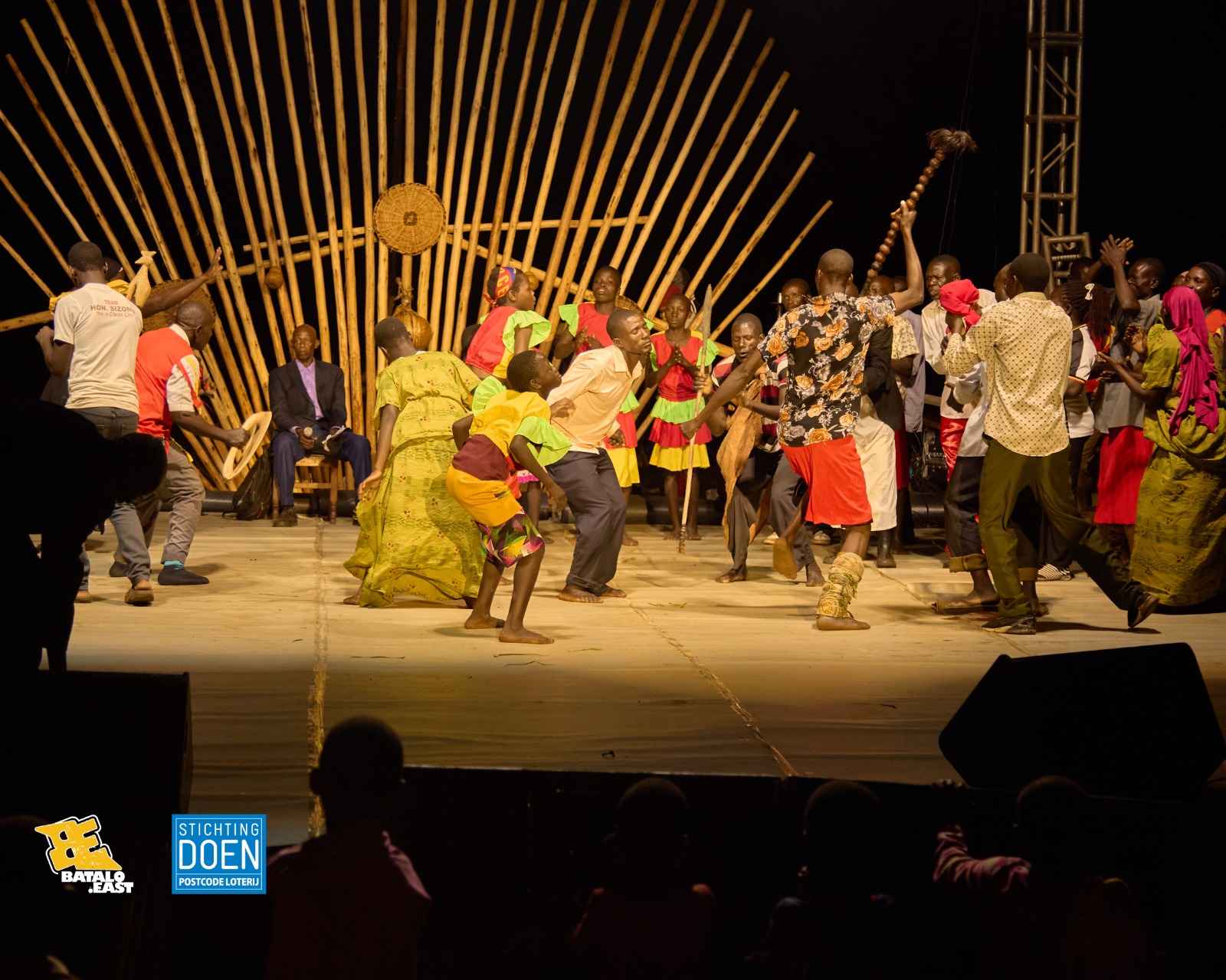
Featured Cultural Troupes
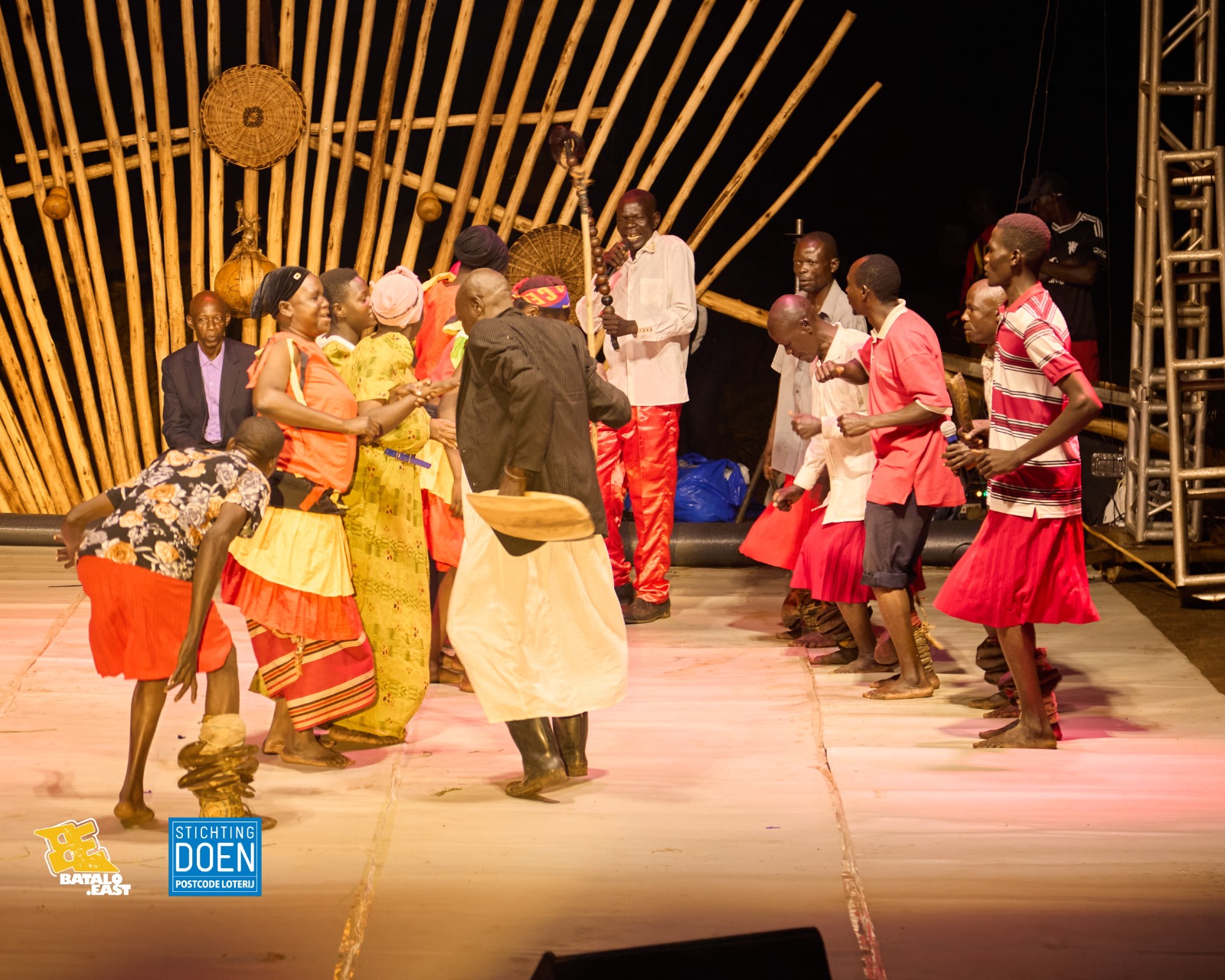
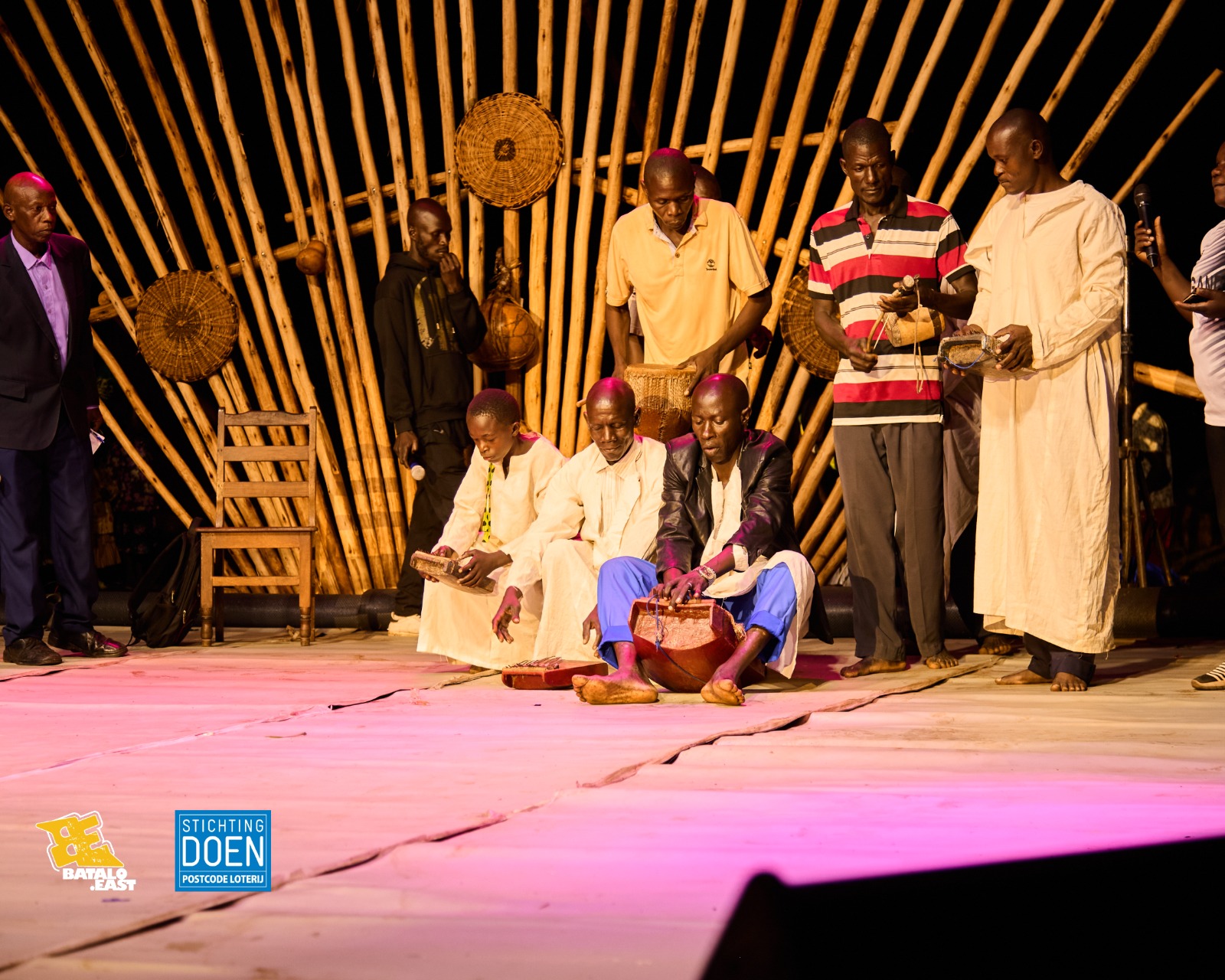
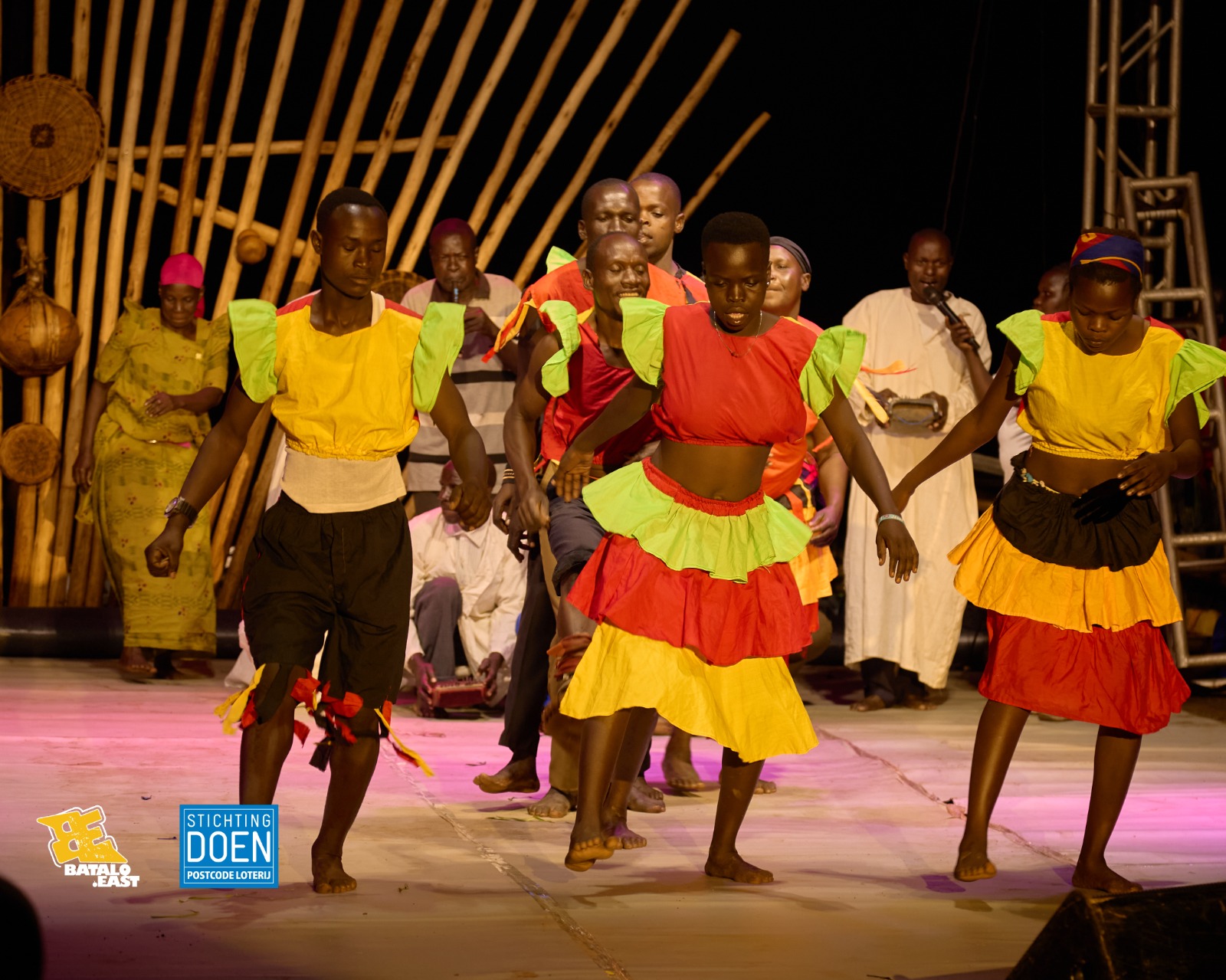
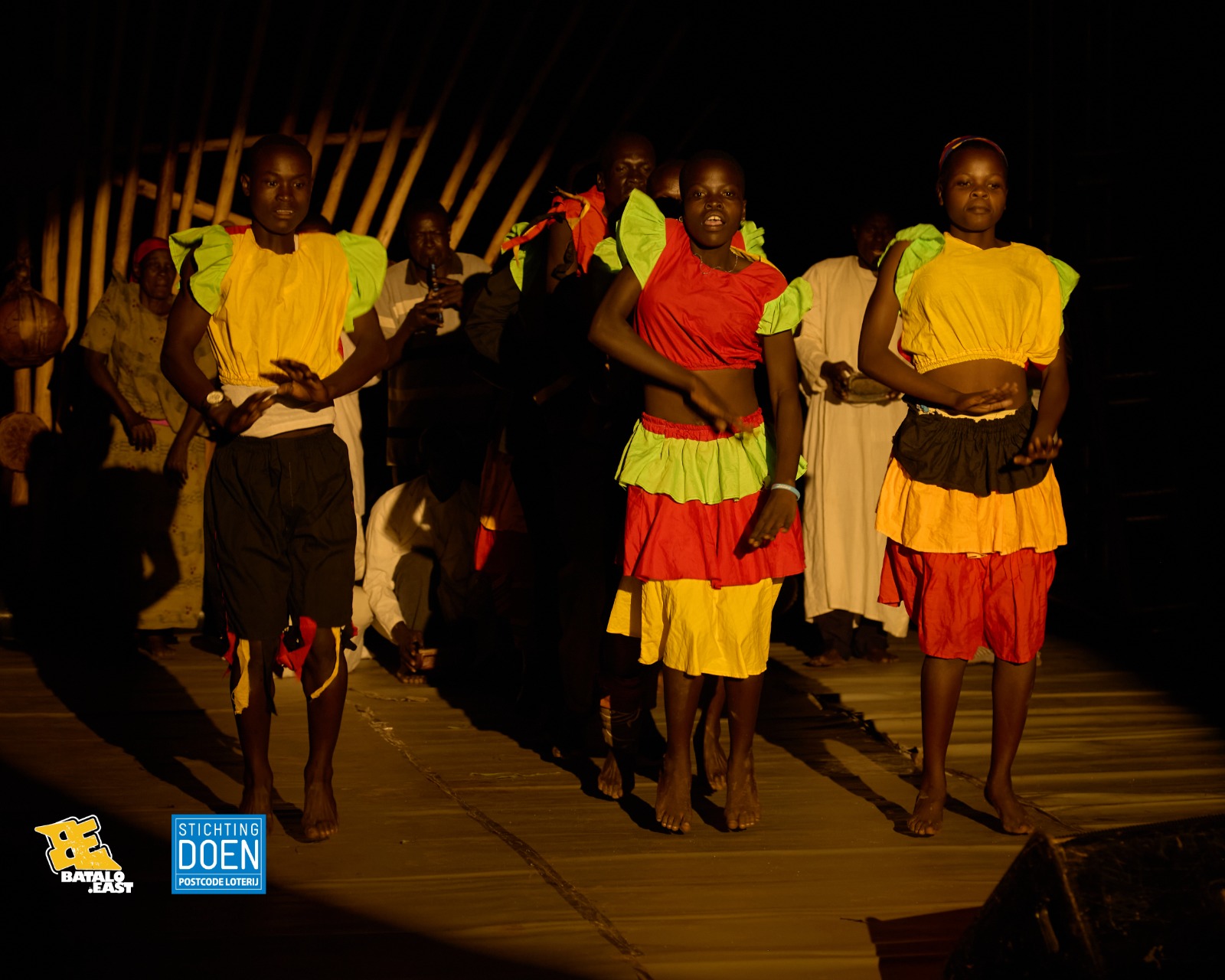
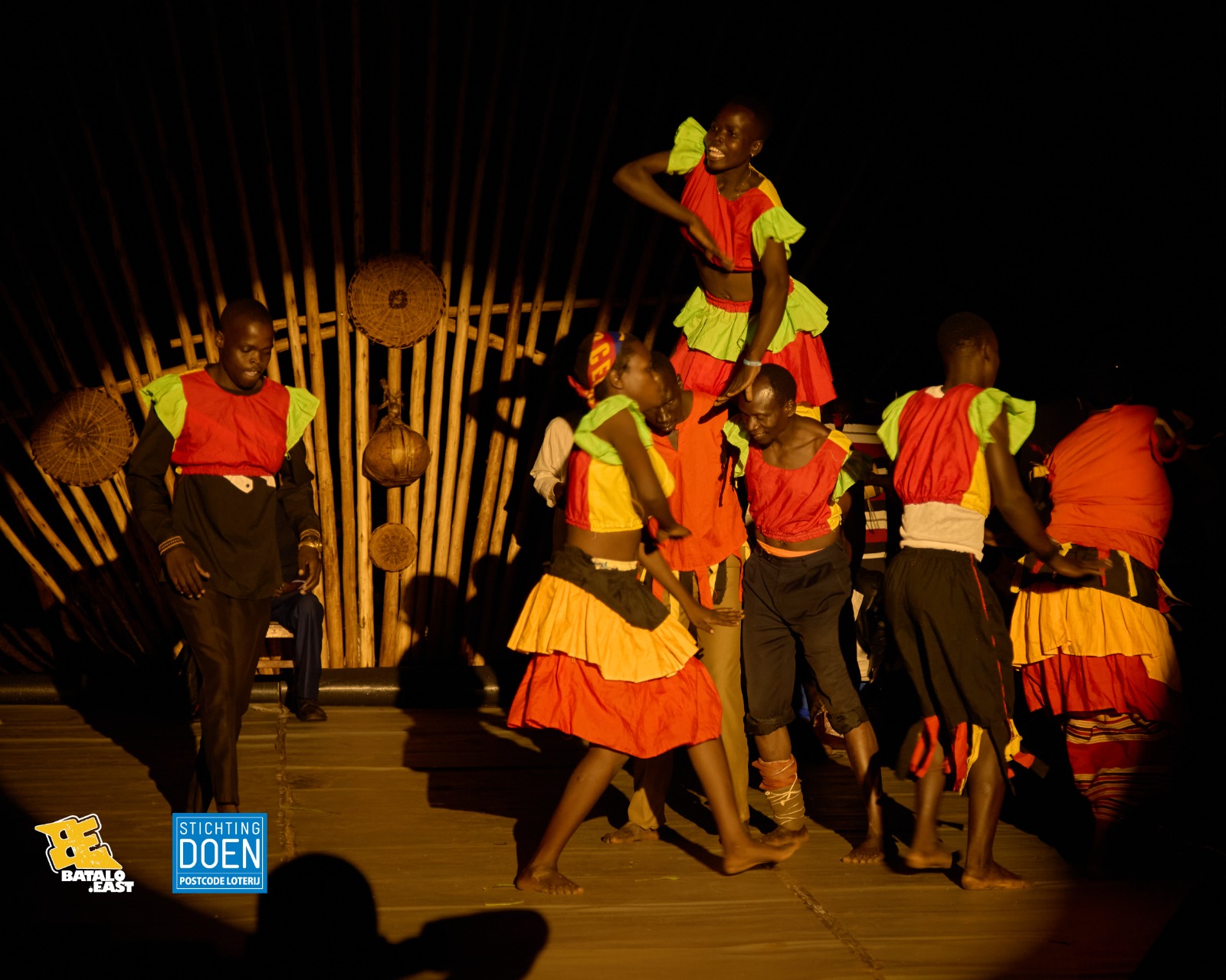
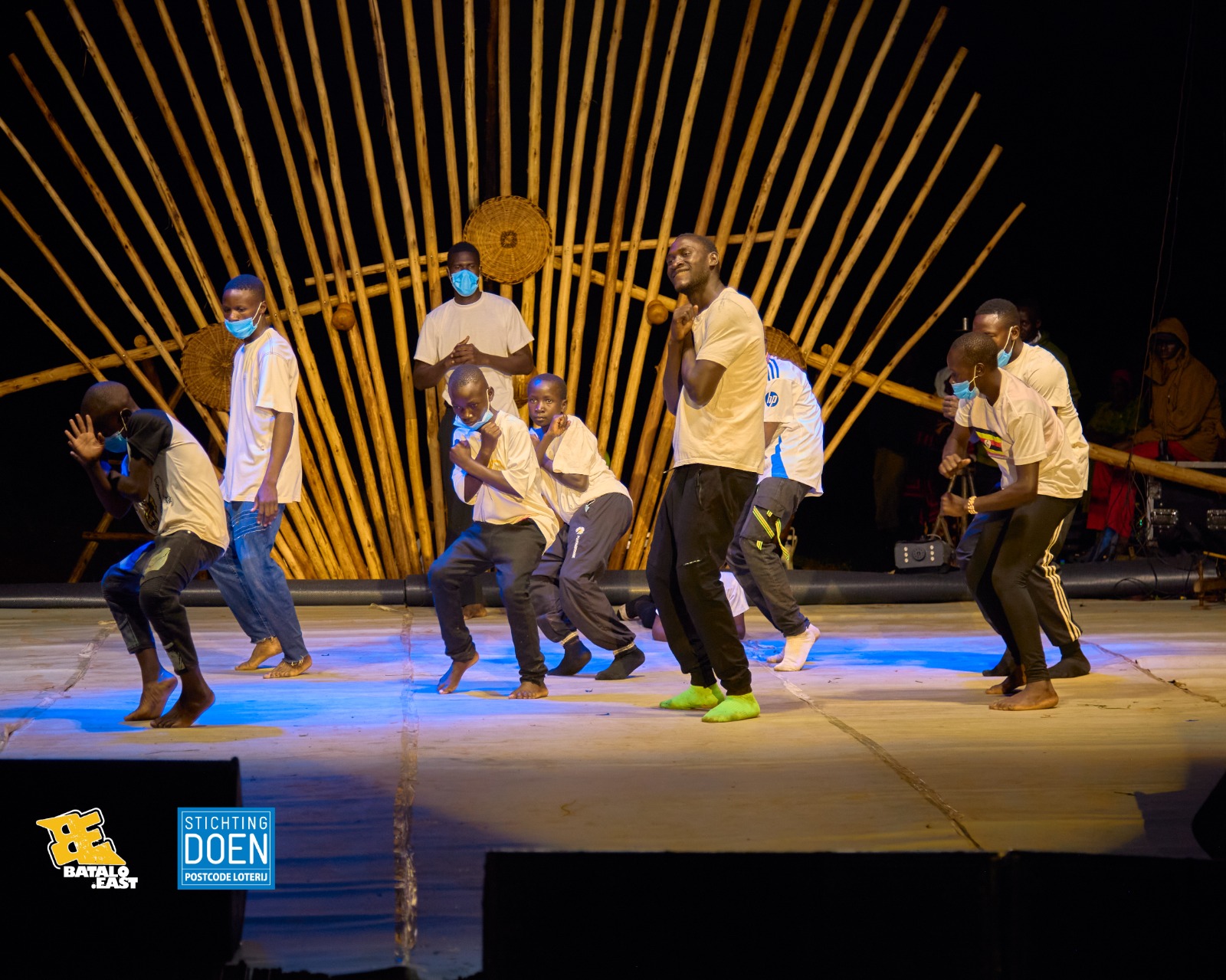
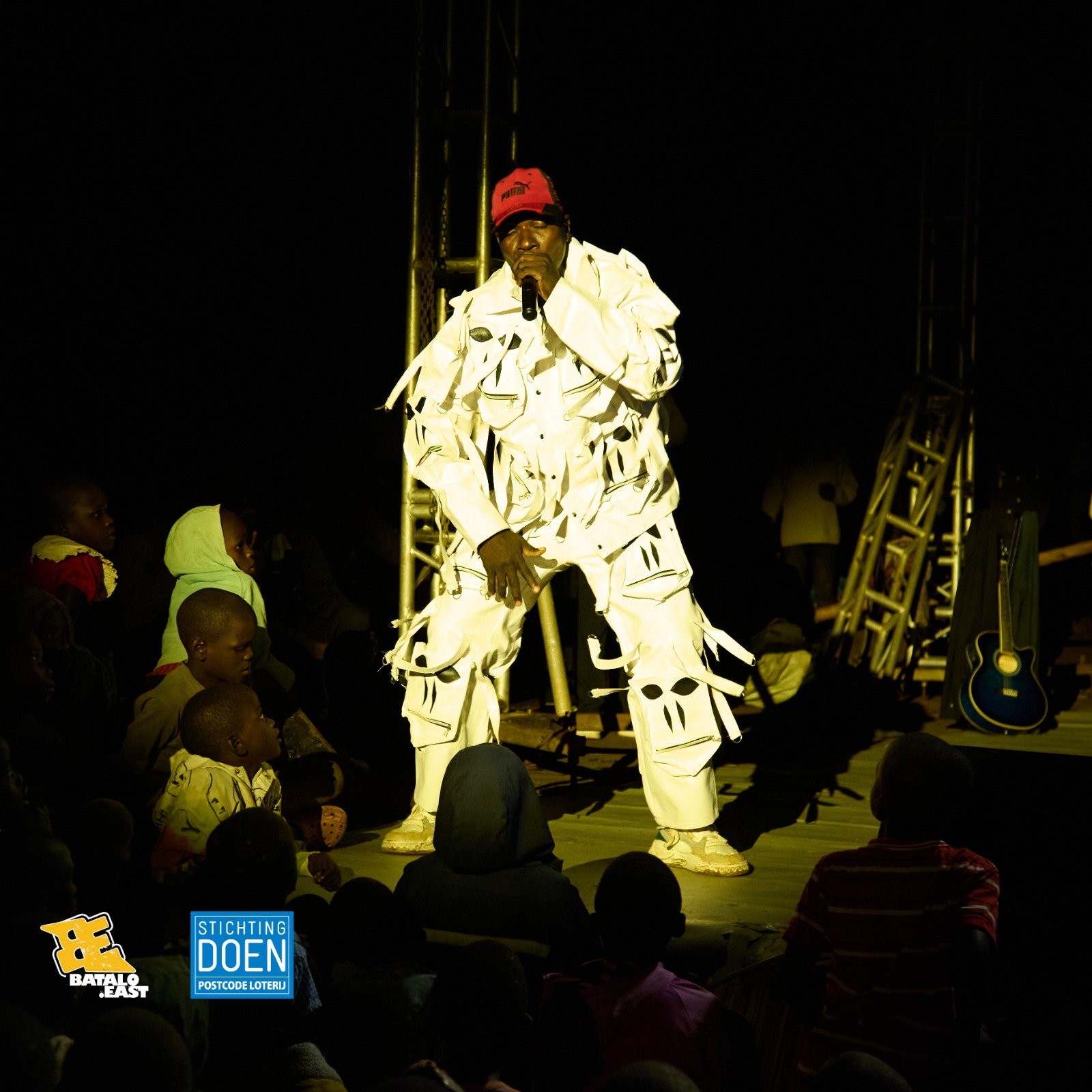
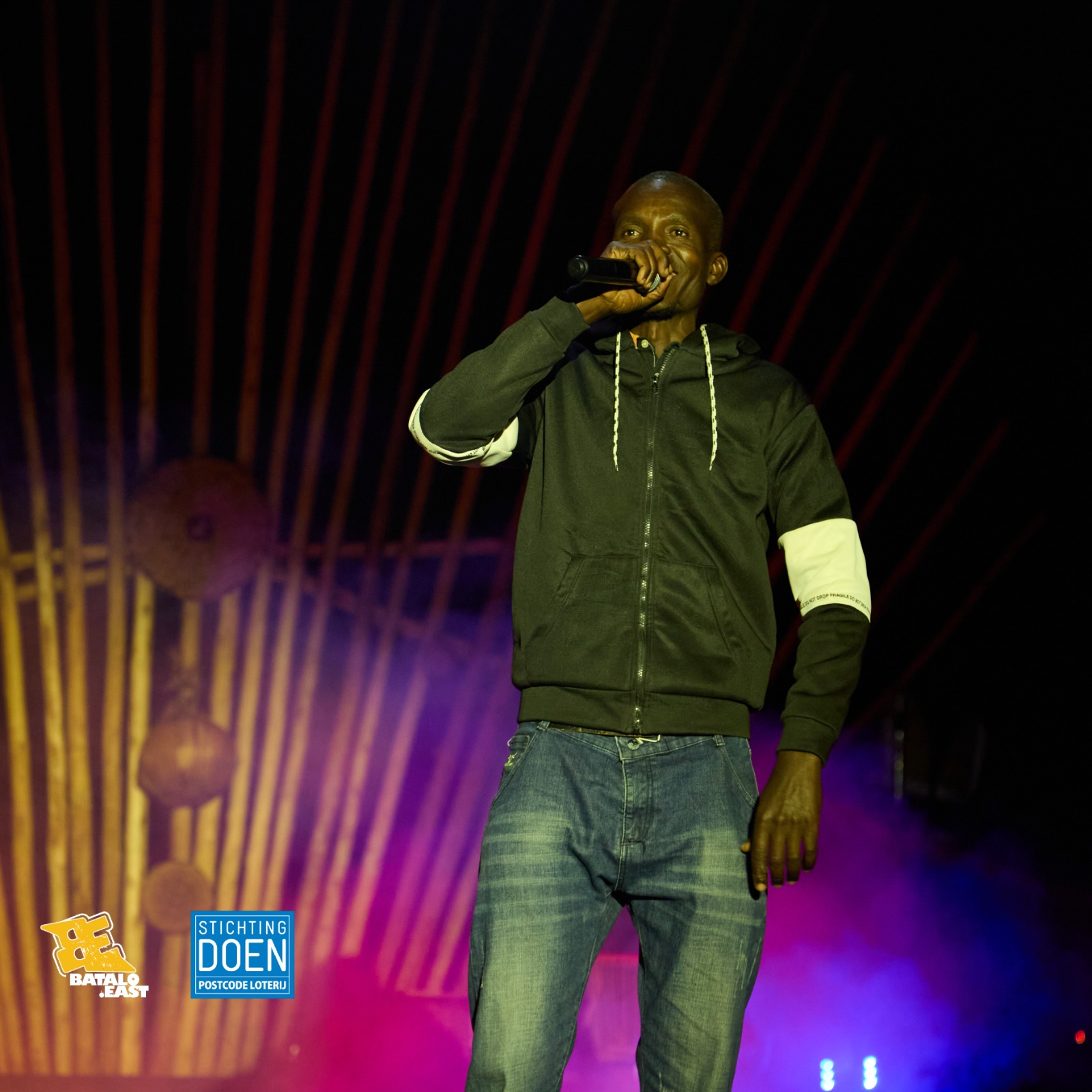
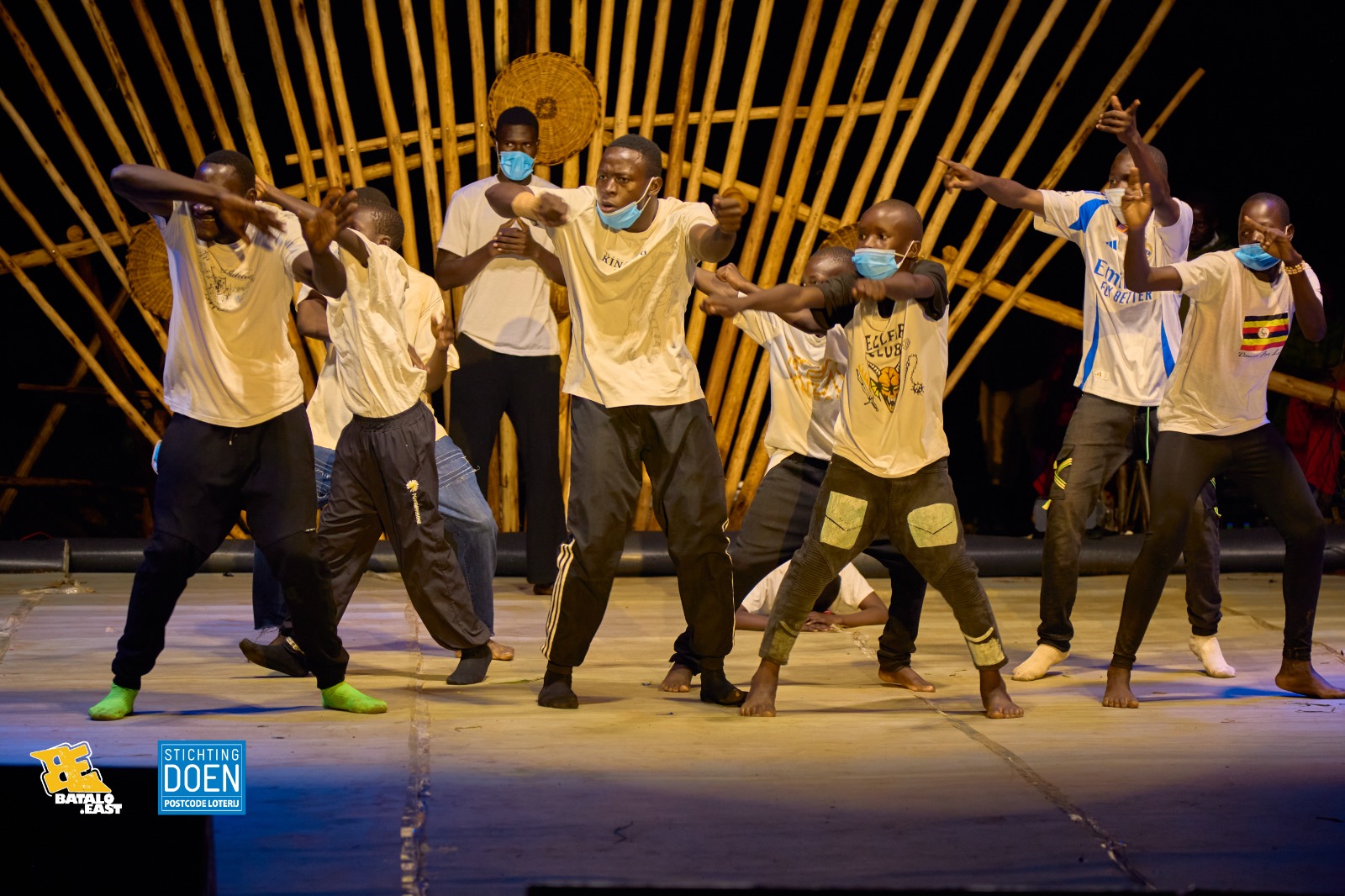
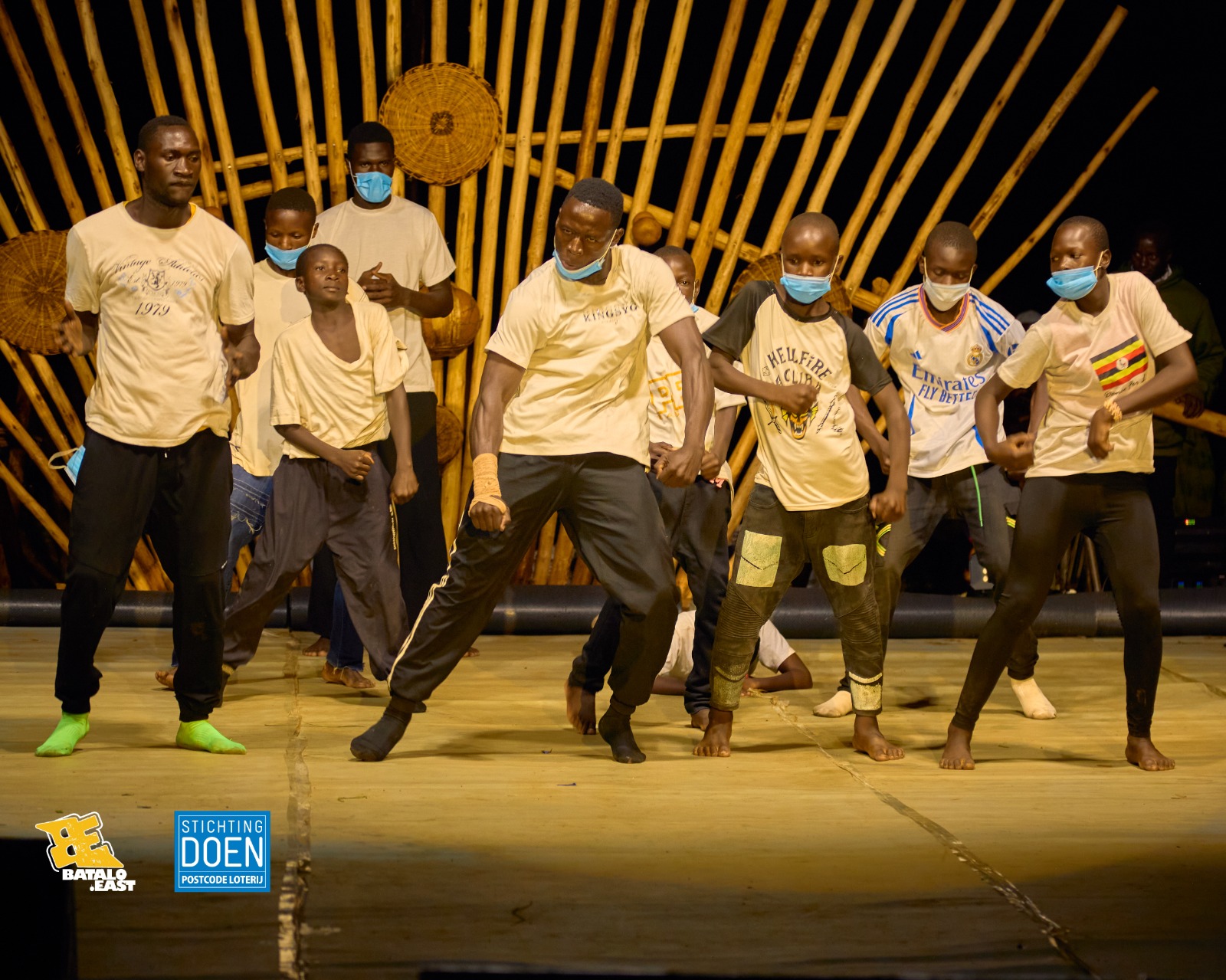
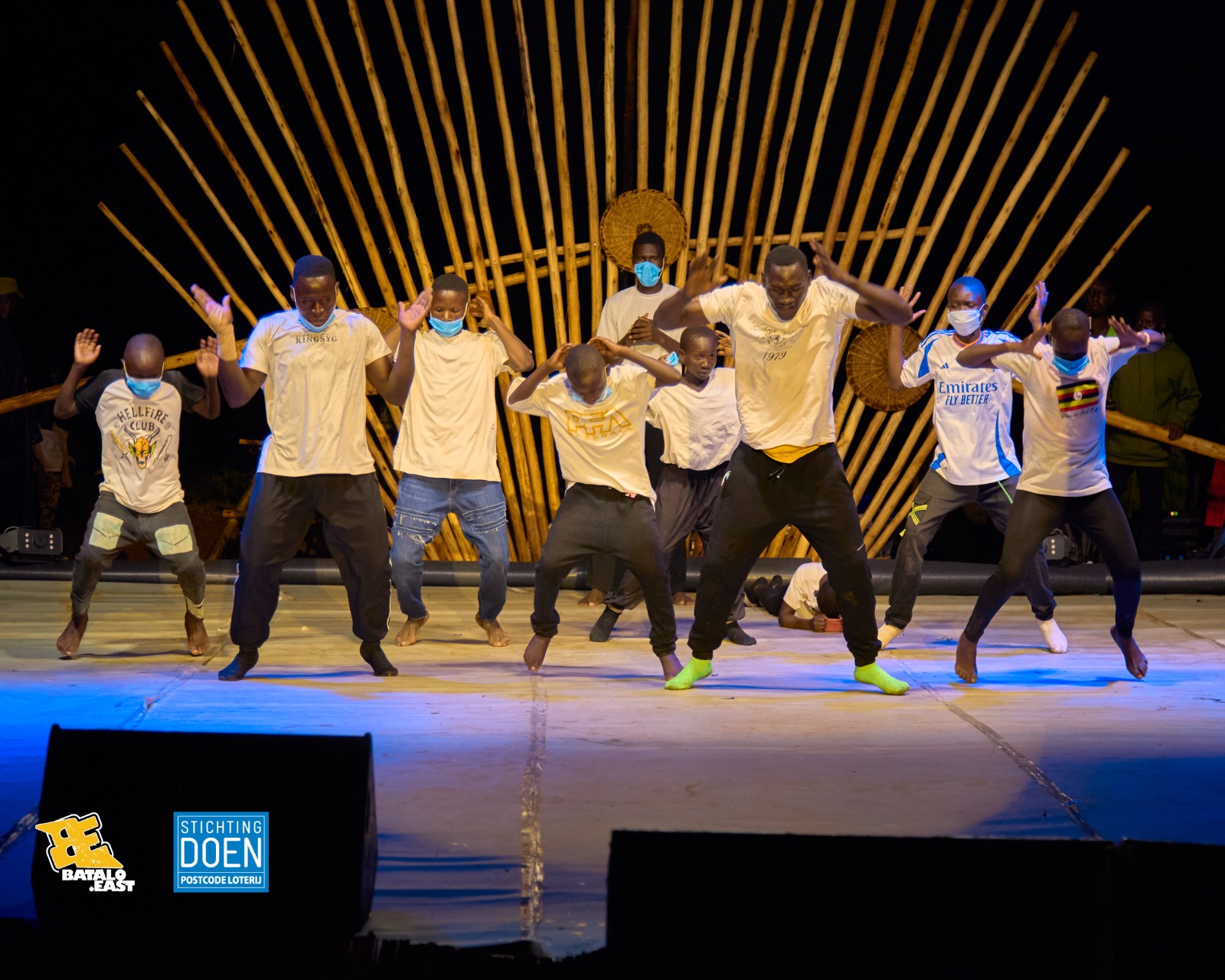
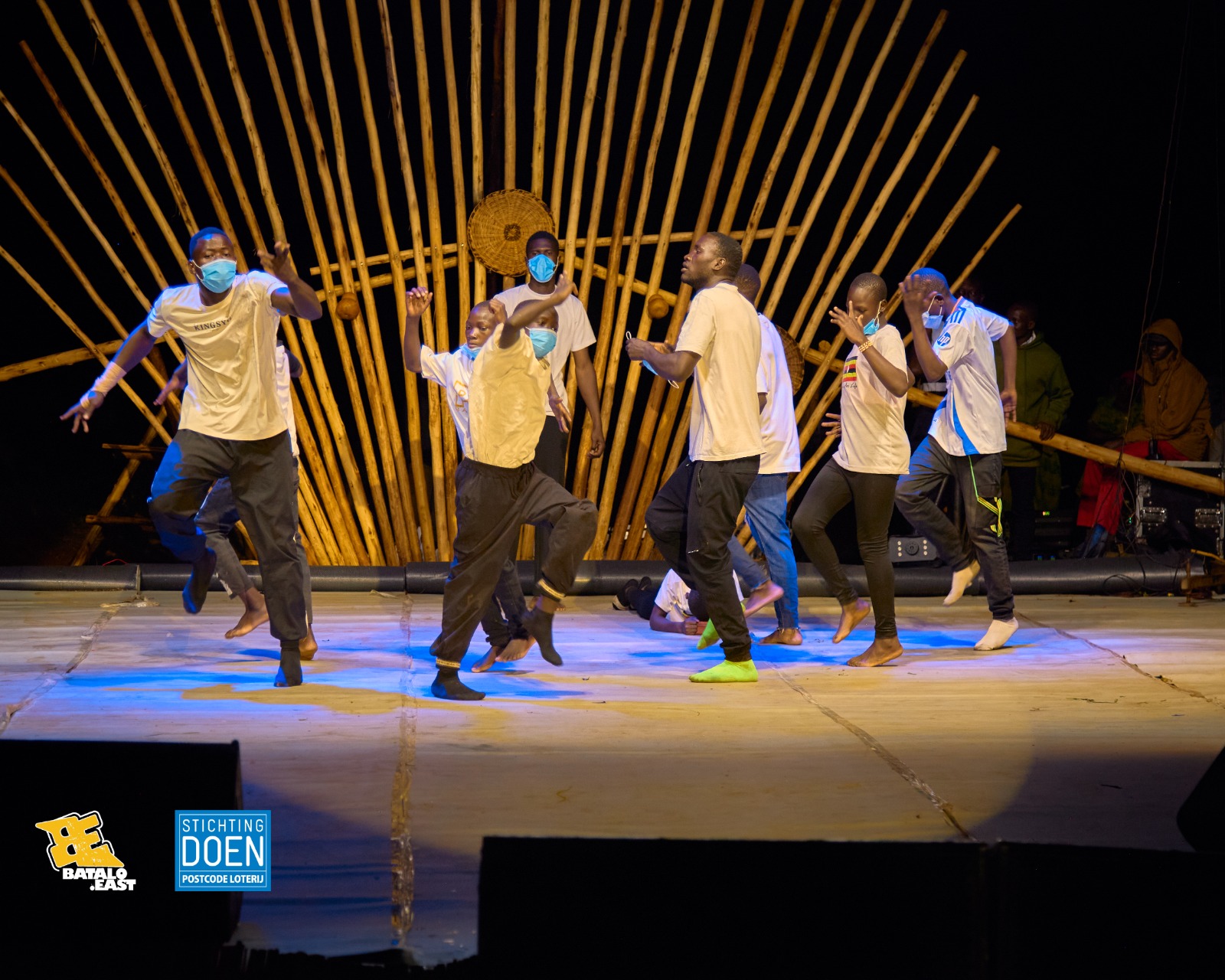
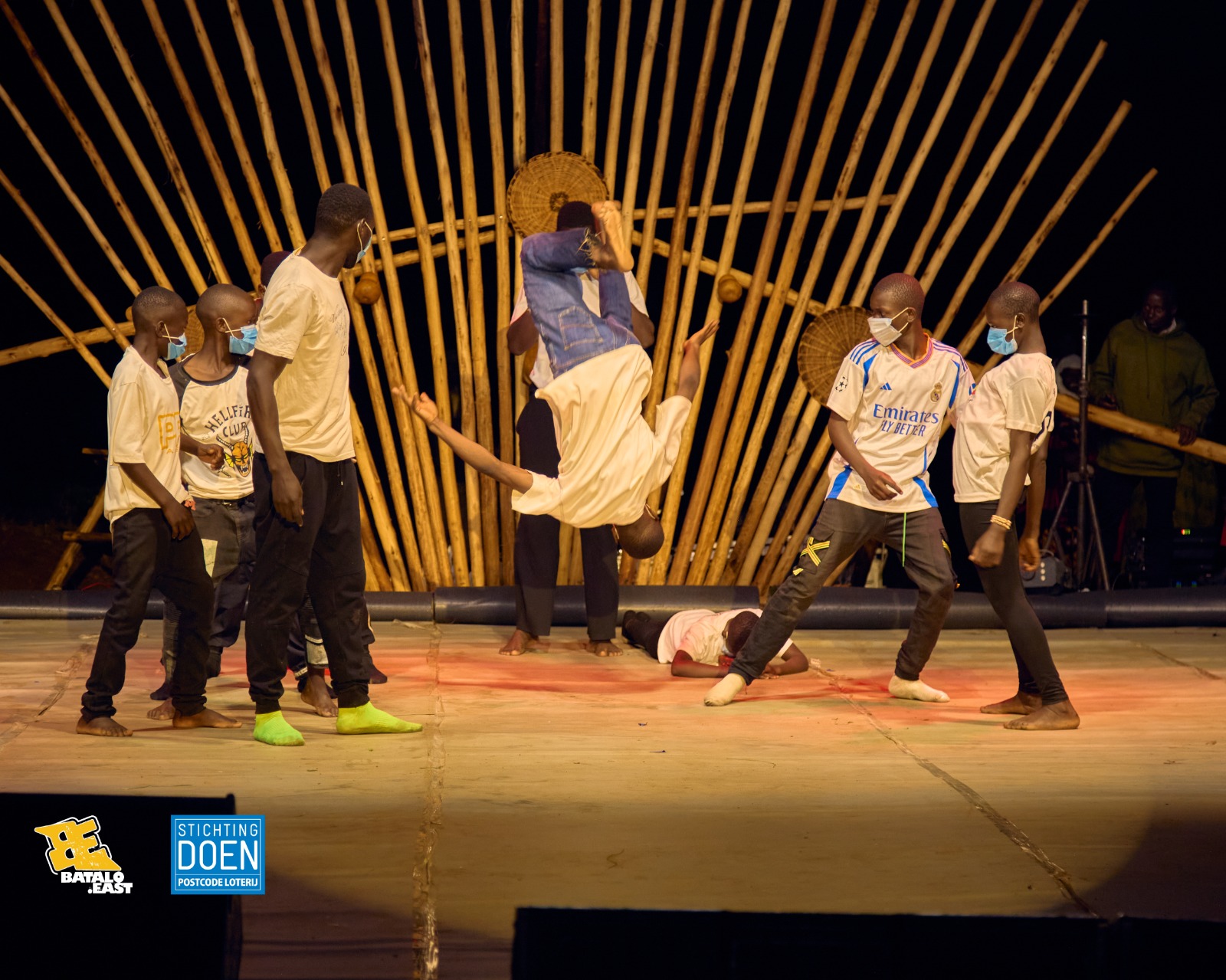
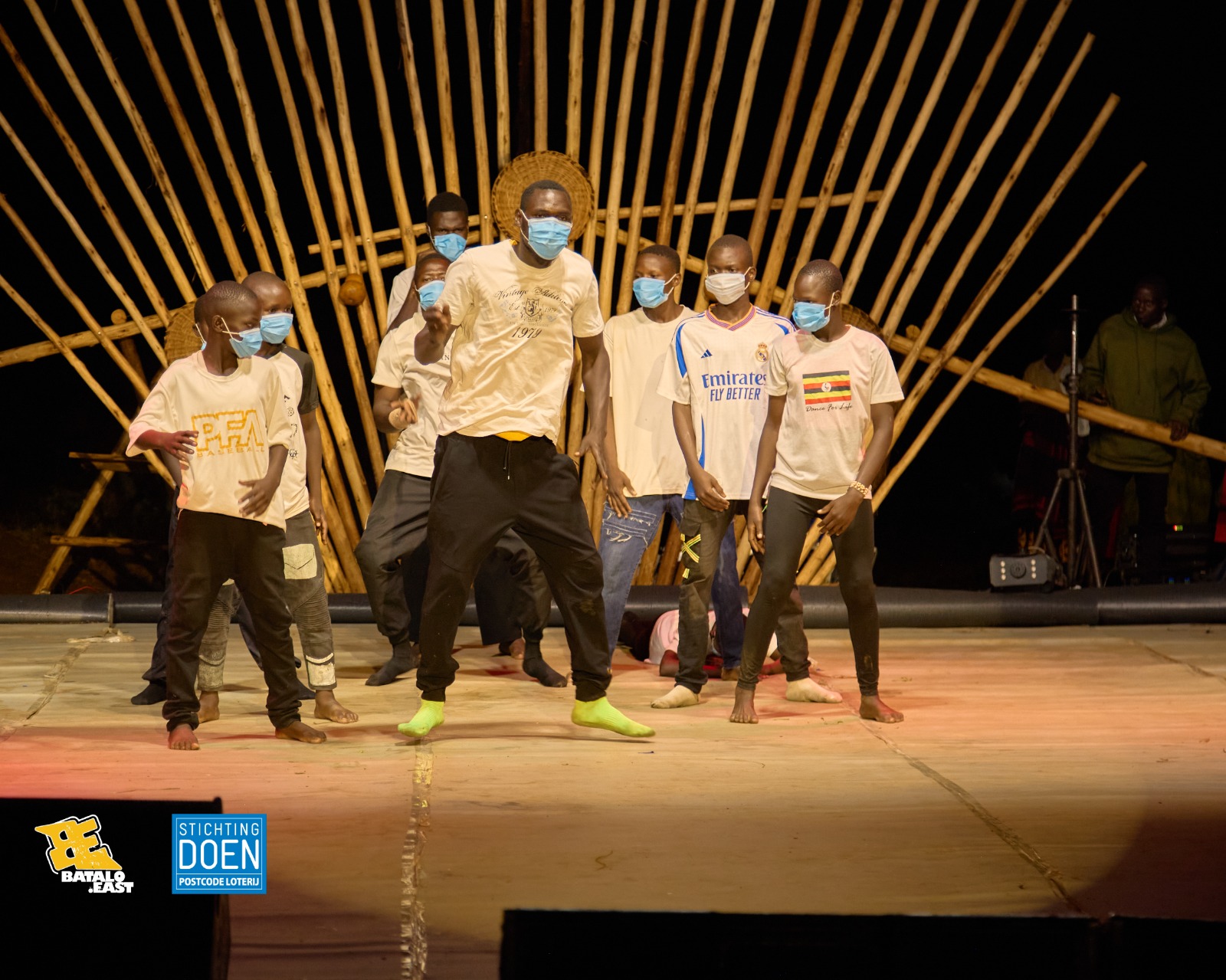
Performed by: Lumina Dance Company
100MOTS, is a contemporary dance piece that explores the richness of silence in our daily interactions. It reveals that silence doesn’t mean emptiness, but rather an overflow of thoughts and emotions too vast to express easily.
Through a duet, the piece highlights the tension between the urge to speak and the fear of falling short. Gestures, pauses, and movement embody this inner struggle. “Without Words” invites the audience to see silence not as a failure to communicate, but as a space full of meaning and expressive potential.
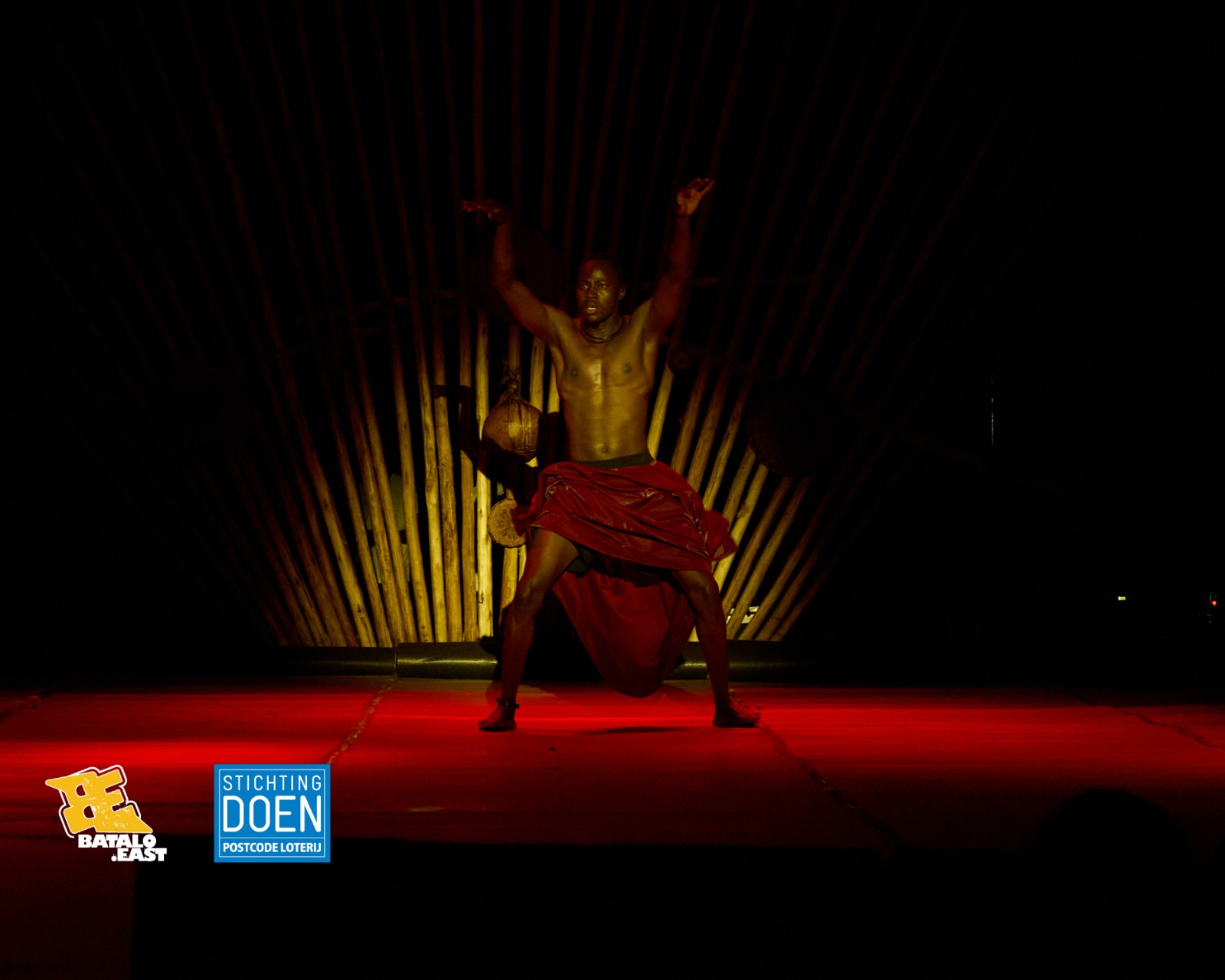
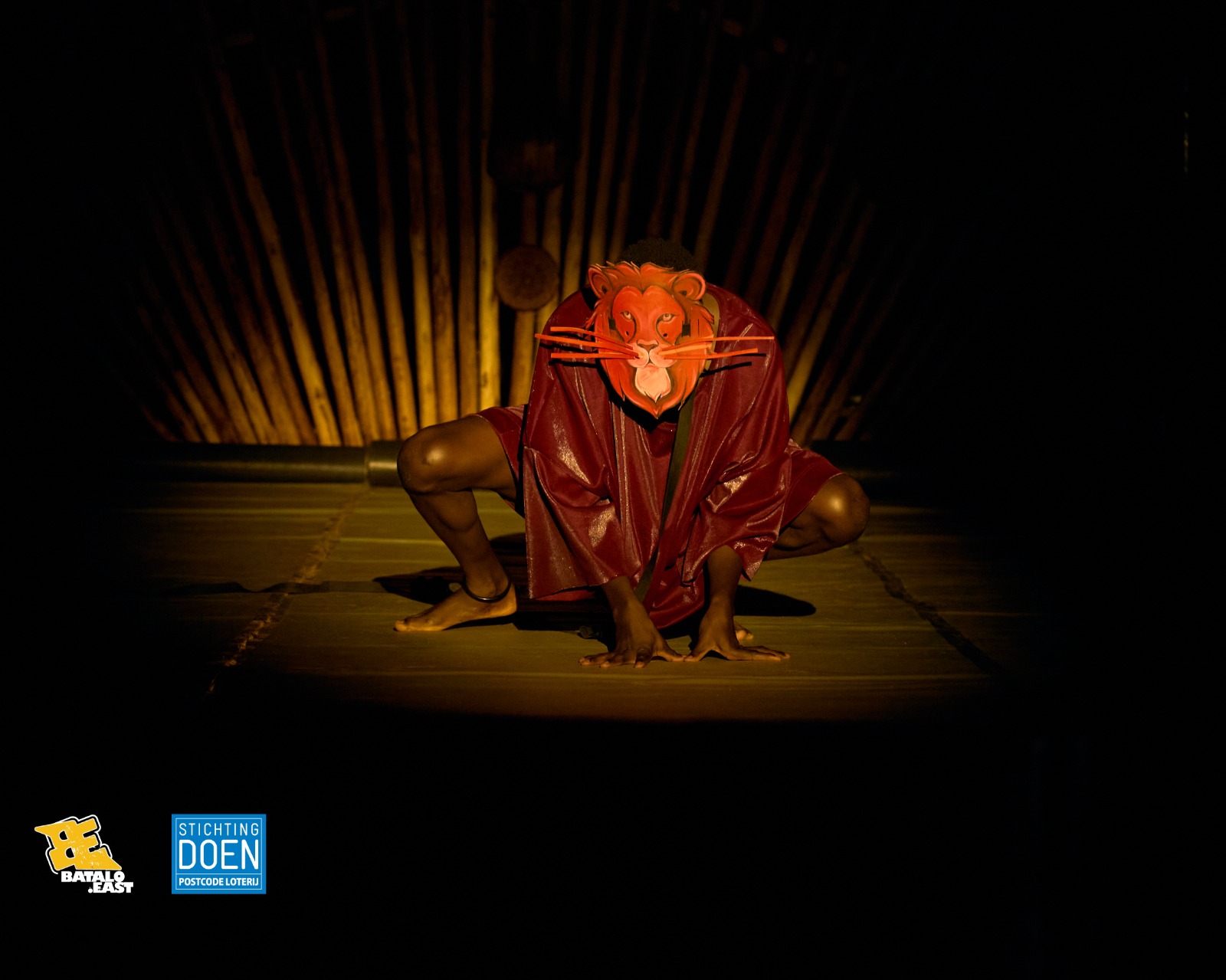
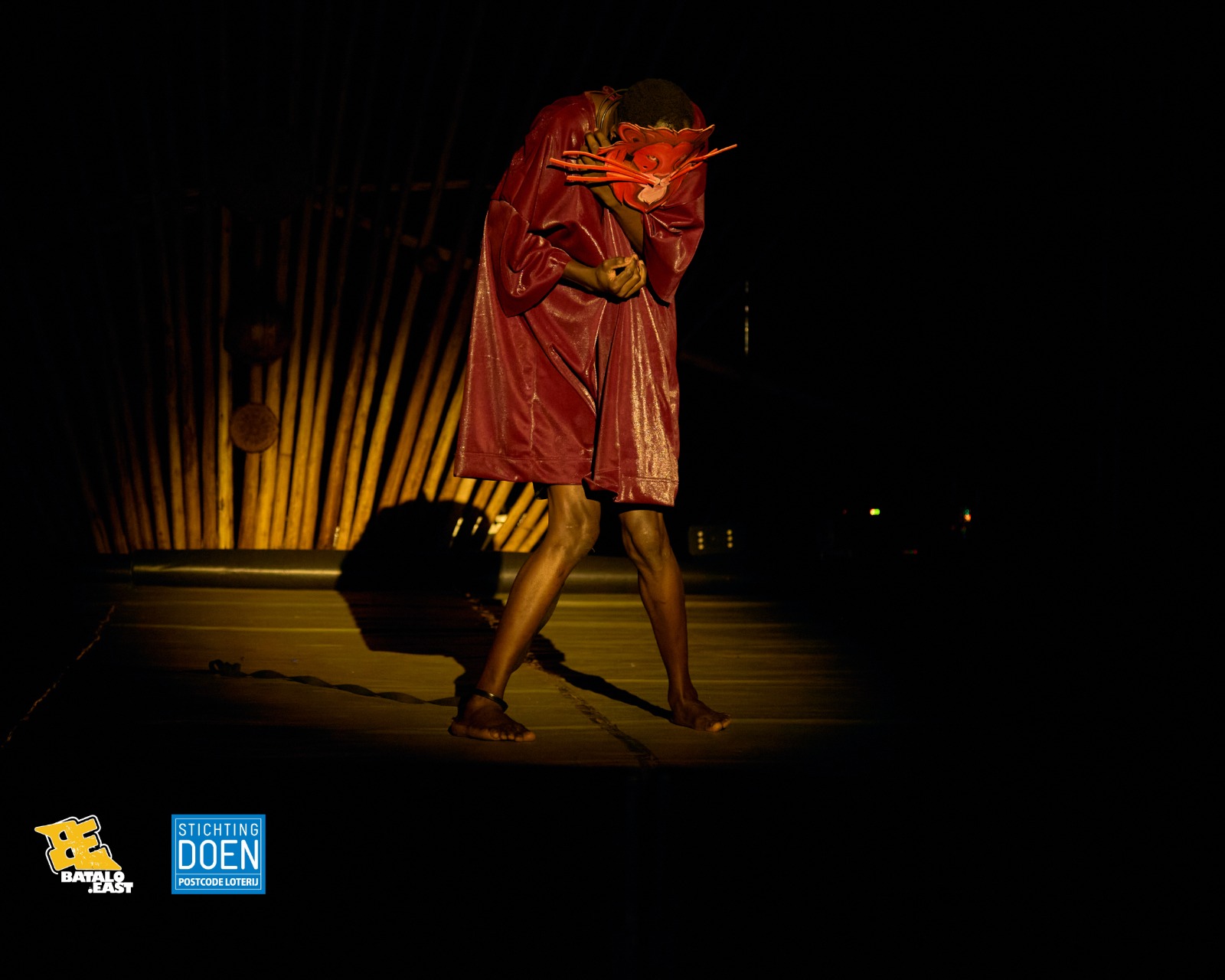
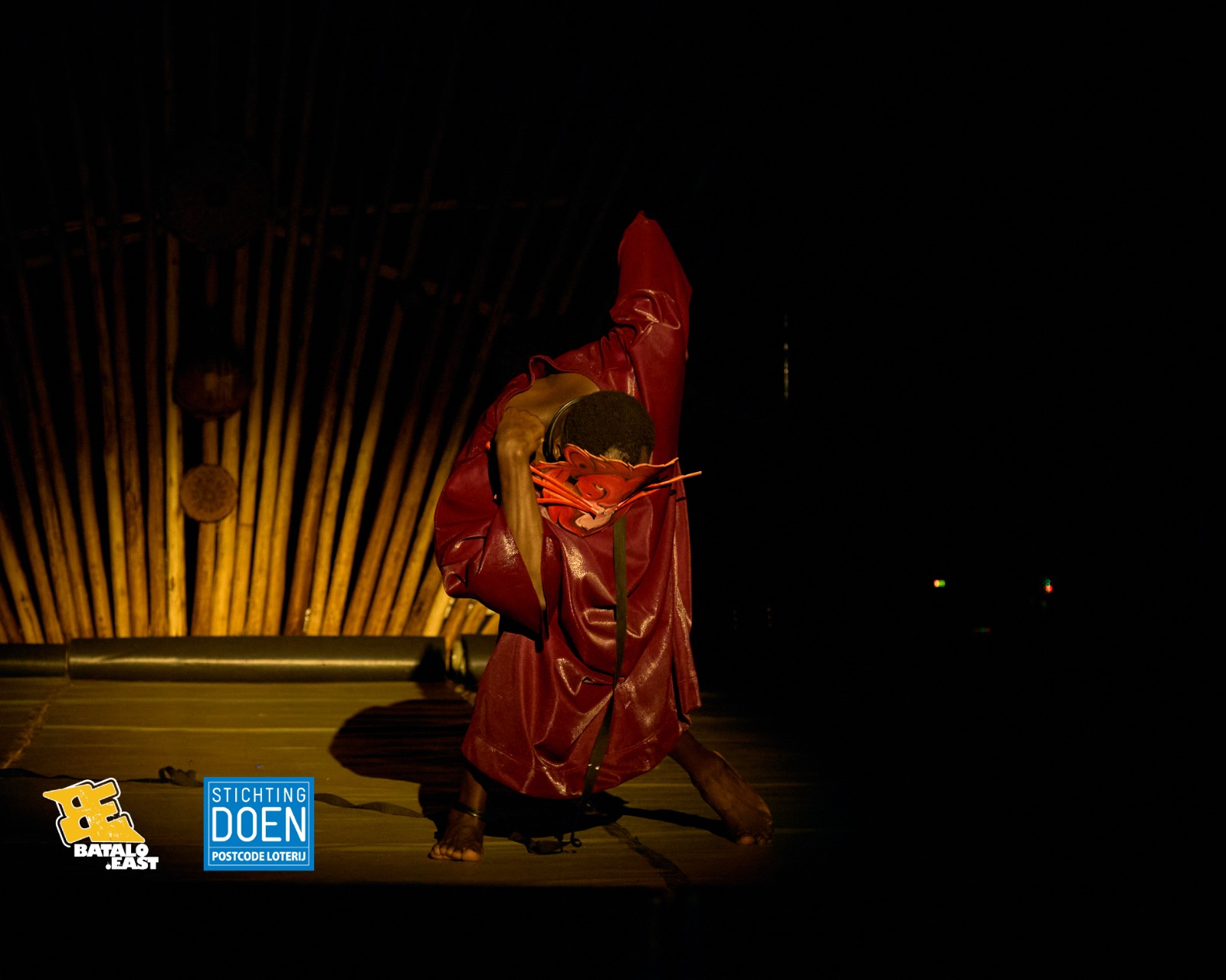
MANLY
“MANLY” confronts the silent burden carried by boys and men expected to embody outdated, rigid definitions of masculinity. In many cultures including my own boys are taught to suppress emotion, reject vulnerability, and aspire to stoic strength.
As a young boy of 5 years, I was told crying was not manly. Real men should be brave and assertive, have physical strength, deep voices and at most never cry! But behind the superhero mask lies a fragile human being, longing for expression and acceptance.
Dancer/choreographer: Elasu Elvis (Levy)
Music: Levyzm sounds & Rayz Avenue
Costume: Bwambale Shafik & Levy Elasu